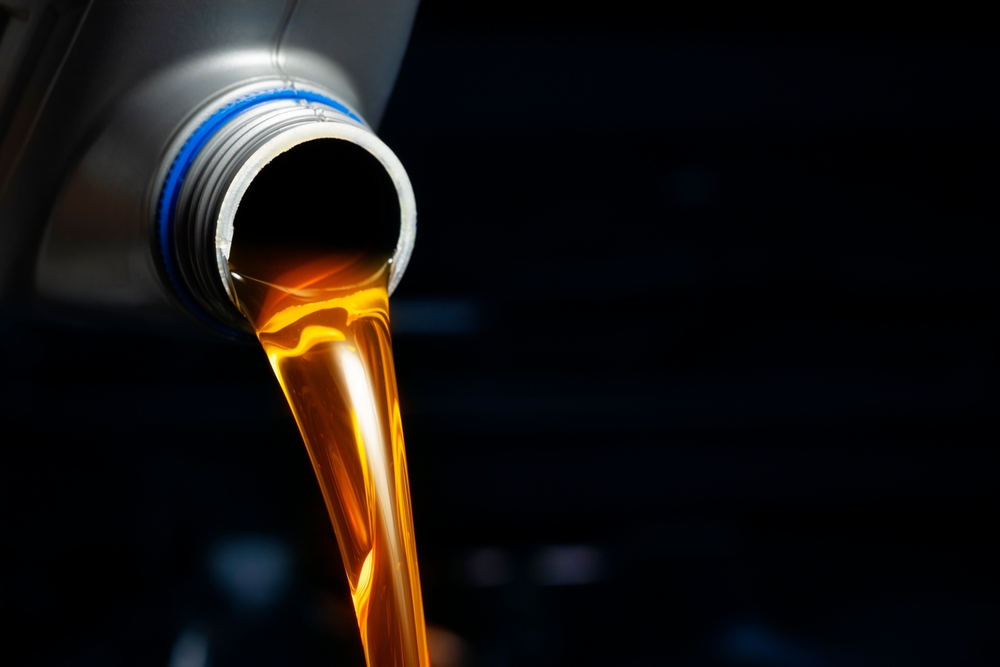
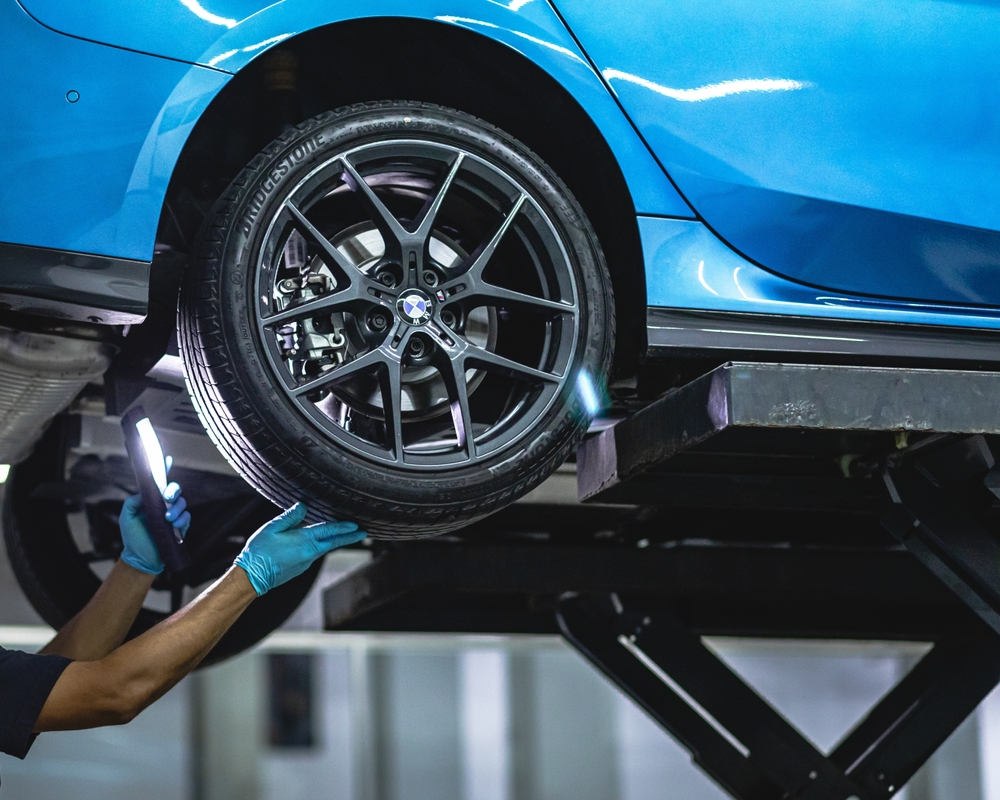
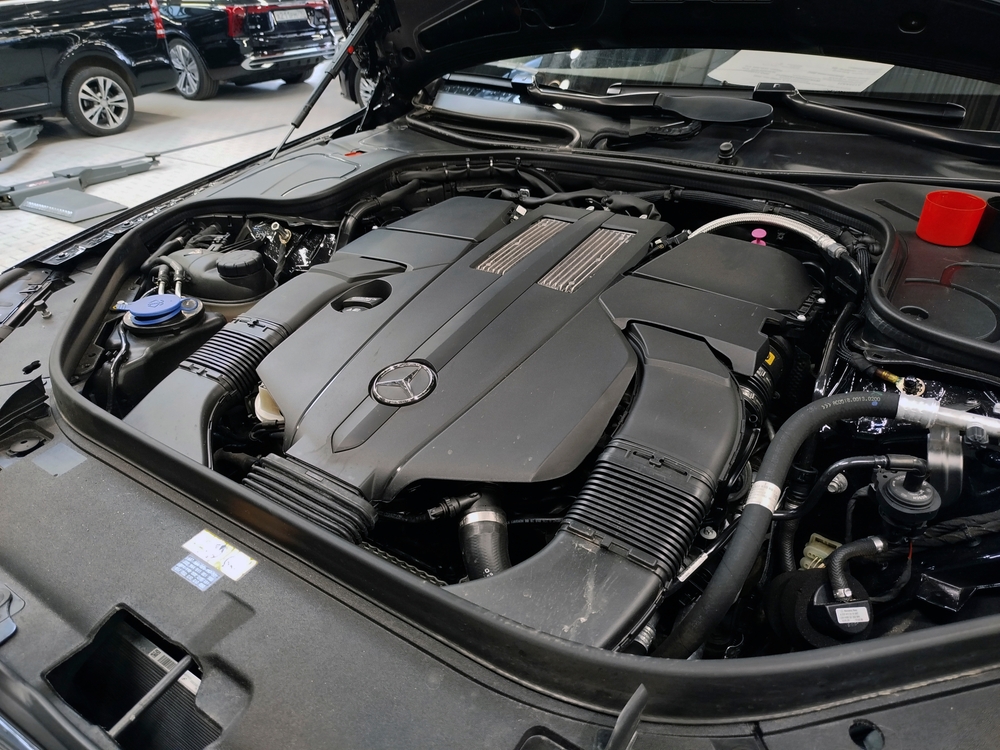
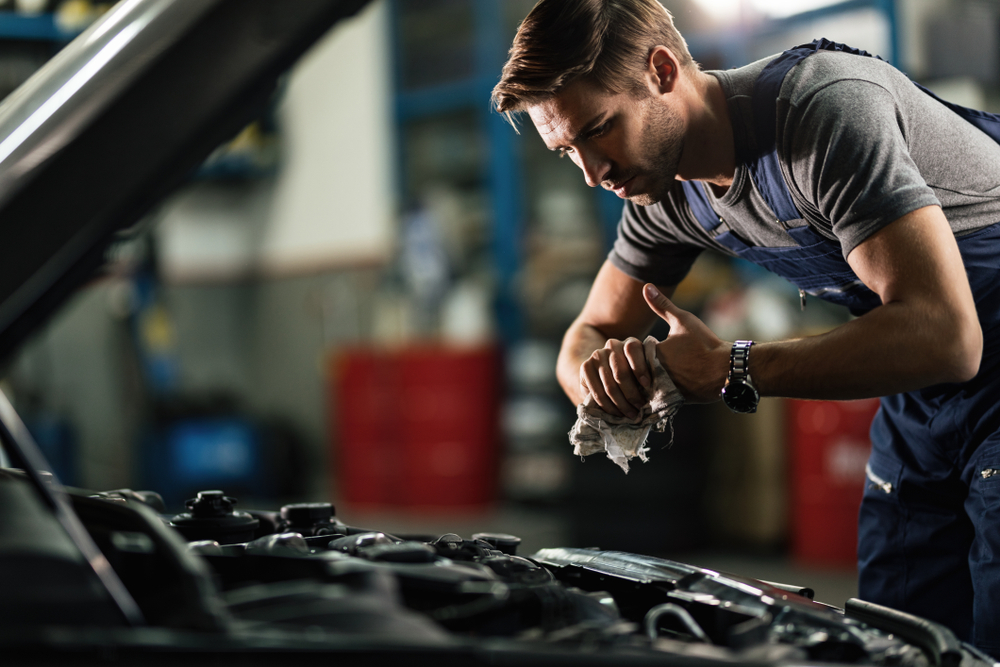
German luxury vehicles are engineered for precision, performance, and longevity, but they rely on more than just quality parts. Routine fluid services play a major role in keeping every system working as intended, especially in a hot climate like Fort Worth, TX where extreme temperatures place additional stress on engines, transmissions, cooling systems, and braking components.
Quick Answer
Routine fluid services are essential because engine oil, transmission fluid, coolant, brake fluid, power steering fluid, and differential fluids all break down over time. Replacing them according to manufacturer recommendations helps protect expensive components, maintain performance, improve reliability, and reduce the likelihood of costly repairs, especially for German brands such as BMW, Mercedes-Benz, Audi, Porsche, MINI, and Volkswagen.
What Local Drivers Should Know
High summer temperatures across Fort Worth can accelerate fluid degradation and increase wear on critical vehicle systems.
Stop-and-go traffic on I-35W, Loop 820, and Chisholm Trail Parkway places additional demands on transmissions and cooling systems.
Regular brake fluid service is especially important for drivers navigating the hills and busy traffic throughout Tarrant County.
Following manufacturer-specific fluid specifications is critical because German luxury vehicles often require specialized fluids that differ from universal products.
Preventative maintenance is generally less expensive than repairing damaged engines, transmissions, or cooling systems.
Why This Matters Locally
Routine fluid services are especially important in Fort Worth because North Texas experiences prolonged periods of extreme heat, heavy commuter traffic, and frequent highway driving. Vehicles traveling between Downtown Fort Worth, Arlington, Keller, Benbrook, and Weatherford often spend extended time in stop-and-go traffic before reaching highway speeds, placing continuous stress on lubricants and cooling systems.
At Tim’s German Auto, we help local drivers protect their investments by following manufacturer-recommended maintenance schedules and using fluids designed specifically for German engineering. Regular maintenance helps your vehicle continue performing the way it was designed.
Local Data and Professional Field Observations
Professional technicians who service German vehicles throughout North Texas frequently see fluid-related issues develop sooner when maintenance is delayed during extended periods of hot weather. High engine temperatures, frequent idling, and heavy traffic can cause fluids to lose their protective properties faster than many drivers expect.
Manufacturers such as BMW, Mercedes-Benz, Audi, and Porsche all specify maintenance intervals based on the unique engineering of their vehicles, and following these recommendations helps preserve both performance and reliability.
Routine Fluid Services Help Prevent Expensive Repairs
Routine fluid services protect expensive vehicle systems by reducing friction, controlling temperatures, preventing corrosion, and removing contaminants before they cause damage.
Some of the most important services include:
Engine Oil Service
Fresh engine oil lubricates moving parts, reduces heat, and carries away contaminants. Delaying oil changes can increase internal engine wear and reduce fuel efficiency.
Transmission Fluid Service
Modern German automatic transmissions depend on clean fluid for proper hydraulic pressure, smooth shifting, and internal lubrication. Old transmission fluid can contribute to harsh shifting, slipping, and premature component wear.
Coolant Service
Coolant regulates engine temperature while protecting internal passages from corrosion. As coolant ages, its protective additives diminish, increasing the risk of overheating and corrosion.
Brake Fluid Flush
Brake fluid absorbs moisture over time. Excess moisture can reduce braking performance and contribute to corrosion inside brake components.
Differential and Transfer Case Fluids
Vehicles equipped with rear-wheel drive, all-wheel drive, or performance drivetrains rely on specialized gear oils to protect gears and bearings under heavy loads.
Power Steering Fluid
Although some newer models use electric steering systems, hydraulic systems still require clean fluid to ensure smooth steering operation and protect pumps and seals.
Warning Signs Your Vehicle May Need Fluid Service
Routine maintenance is always preferred, but certain symptoms often indicate that fluid service should not be postponed.
Common warning signs include:
Rough or delayed transmission shifting
Engine running hotter than normal
Dashboard warning lights
Burning odors after driving
Squealing or noisy steering
Soft or spongy brake pedal
Fluid leaks beneath the vehicle
Dark, dirty, or burnt-smelling fluids during inspection
Ignoring these symptoms may allow minor maintenance issues to become much more expensive repairs.
When to Call a Professional
Drivers can safely monitor fluid levels when recommended by the manufacturer, but many German luxury vehicles require specialized service procedures that go beyond simply topping off fluids.
Certain transmissions require precise fluid temperatures during servicing. Cooling systems often require manufacturer-approved coolant formulations and specialized bleeding procedures. Brake fluid flushes also require equipment designed to remove moisture and air from the system.
If warning lights appear, leaks develop, or fluid replacement intervals have been exceeded, professional service is the safest option.
Common Local Causes of Fluid Deterioration
Several local conditions contribute to faster fluid wear throughout the Fort Worth area.
Extreme Summer Heat
North Texas summers regularly expose vehicles to prolonged high temperatures that accelerate oxidation and reduce fluid effectiveness.
Heavy Commuting
Daily commuting throughout Tarrant County often involves repeated acceleration, braking, and extended idle time that increase thermal stress.
Short Trips
Vehicles driven only short distances may not fully warm up, allowing moisture and contaminants to accumulate inside engine oil.
Towing and Heavy Loads
Drivers pulling trailers or transporting heavy cargo place additional demands on transmissions, differentials, and cooling systems.
Performance Driving
German luxury cars are designed for spirited driving, but higher engine speeds and performance use increase fluid temperatures and accelerate wear.
Prevention and Maintenance Tips
Preventative maintenance is the most cost-effective way to extend the life of your vehicle.
Helpful maintenance practices include:
Follow manufacturer-recommended service intervals.
Use only approved fluids that meet factory specifications.
Schedule inspections before long road trips.
Check for leaks if warning lights appear.
Address small fluid leaks before they become major repairs.
Consider more frequent inspections if you regularly drive in heavy traffic or extreme heat.
What You Can Expect from Routine Fluid Service
Routine fluid maintenance helps maintain smooth shifting, consistent engine performance, reliable braking, and proper cooling system operation.
While maintenance cannot eliminate future repairs, replacing worn fluids helps reduce unnecessary wear and supports the long-term reliability that German luxury vehicles are known for.
Common Mistakes Drivers Make
Waiting Until a Warning Light Appears
Consequence: Damage may already be occurring.
Better Approach: Follow scheduled maintenance rather than waiting for symptoms.
Using Universal Fluids
Consequence: Incorrect fluid specifications can affect performance and component life.
Better Approach: Use fluids approved for your specific make and model.
Assuming Lifetime Fluids Never Need Replacement
Consequence: Even fluids labeled as lifetime can degrade under real-world driving conditions.
Better Approach: Discuss manufacturer recommendations and driving habits with a qualified technician.
Ignoring Small Leaks
Consequence: Minor leaks can quickly become major repairs.
Better Approach: Have leaks inspected as soon as they are noticed.
A Common Local Scenario
A driver commuting daily between Keller and Downtown Fort Worth begins noticing slightly rough transmission shifts during afternoon traffic. There are no warning lights, so the issue is easy to ignore. During a routine inspection, the transmission fluid is found to be overdue for replacement and showing signs of heat-related deterioration. Performing the recommended service helps restore smoother operation and may reduce unnecessary wear before more significant problems develop.
Many German vehicles require specialized procedures and equipment
Routine Professional Maintenance
Uses proper fluids and manufacturer procedures
Requires scheduled appointments
Waiting Until Problems Develop
No immediate maintenance cost
Often results in more expensive repairs later
Service Areas
We proudly serve drivers throughout Fort Worth as well as Arlington, Benbrook, Keller, North Richland Hills, Haltom City, White Settlement, Burleson, Aledo, and surrounding communities across Tarrant County.
The Cost of Ignoring Fluid Maintenance
Delaying fluid service can increase wear on engines, transmissions, braking systems, cooling systems, and differentials. Minor maintenance appointments are often far less expensive than repairing or replacing major drivetrain components after fluid deterioration has caused damage.
How often should German luxury cars receive fluid services in Fort Worth?
Routine fluid service intervals vary by manufacturer and vehicle model. Drivers in Fort Worth who experience heavy traffic, high temperatures, or frequent short trips may benefit from inspections during every scheduled maintenance visit.
Does hot weather affect vehicle fluids in North Texas?
Yes. High temperatures can accelerate fluid breakdown, increase oxidation, and reduce lubricating performance, making regular maintenance especially valuable throughout North Texas.
Can I use universal fluids in my BMW or Mercedes-Benz?
No. German manufacturers typically specify fluids that meet precise engineering standards. Using incorrect fluids may affect performance and long-term reliability.
Why is brake fluid replacement important?
Brake fluid absorbs moisture over time. Replacing it helps maintain braking performance while reducing the risk of corrosion inside brake components.
Do transmission fluids really need replacement if they’re labeled lifetime?
Many manufacturers use the term “lifetime,” but real-world driving conditions such as heavy traffic, heat, and extended service life may justify periodic maintenance based on manufacturer guidance and professional inspection.
Why should Fort Worth drivers pay extra attention to coolant maintenance?
Fort Worth experiences long periods of high temperatures that place additional demands on vehicle cooling systems. Proper coolant helps regulate engine temperatures while protecting against corrosion.
Can regular fluid maintenance improve vehicle longevity?
Yes. Replacing worn fluids helps reduce friction, control temperatures, and protect expensive components throughout the life of the vehicle.
Should I have all fluids inspected during routine maintenance?
Yes. Comprehensive inspections allow technicians to identify aging fluids, leaks, and early signs of wear before they become larger problems.
Protect Your German Luxury Vehicle with Preventative Maintenance
Routine fluid services are one of the smartest investments you can make in the long-term health of your German luxury vehicle. Our experienced team follows manufacturer-recommended procedures and uses the proper fluids designed for your specific make and model.
Protect your investment with professional maintenance designed specifically for German luxury vehicles.
If you’ve noticed your BMW pulling to one side while driving through Fort Worth, or your Audi’s tires seem to be wearing out faster than expected, wheel alignment may be the issue. North Texas roads, changing temperatures, and daily commuting can gradually throw your suspension and alignment out of specification, affecting both performance and safety.
Quick Answer
Wheel alignment protects your German vehicle’s performance by keeping all four wheels positioned according to factory specifications. Proper alignment improves handling, extends tire life, enhances fuel efficiency, and reduces unnecessary suspension wear. For precision-engineered European vehicles, even small alignment changes can noticeably impact how the vehicle drives.
What Local Drivers Should Know
Fort Worth roads often include construction zones, uneven pavement, and potholes that can gradually affect wheel alignment.
Hot Texas summers cause asphalt to expand and deteriorate, increasing the chances of suspension impacts.
German vehicles are engineered with tighter handling tolerances than many other vehicles, making proper alignment especially important.
Routine alignment checks can help maximize the lifespan of expensive performance tires.
Drivers who regularly travel between Fort Worth, Arlington, Benbrook, Aledo, and Weatherford may experience additional suspension wear from varying road conditions.
Why This Matters Locally
Wheel alignment is especially important for drivers throughout Fort Worth because of the area’s mix of aging roadways, ongoing highway construction, and frequent temperature swings. Daily travel on I-35W, Interstate 30, Chisholm Trail Parkway, or Loop 820 exposes vehicles to expansion joints, potholes, and rough pavement that can slowly alter suspension geometry.
Tim’s German Auto helps drivers throughout the area keep their European vehicles driving the way the manufacturer intended. After that first introduction, we focus on educating our customers so they understand how proper maintenance protects both performance and long-term ownership costs.
Local Field Observations
Our experience servicing German vehicles throughout Tarrant County shows that alignment issues often develop gradually rather than after one major impact. Many drivers adapt to a slight steering pull without realizing that uneven tire wear has already begun. By the time the wear becomes obvious, tires may need replacement much sooner than expected.
Luxury European vehicles frequently use low-profile tires and sophisticated suspension systems that provide exceptional handling but can also reveal alignment problems more quickly than conventional vehicles.
How Wheel Alignment Protects Your German Vehicle
Wheel alignment protects your German vehicle by ensuring each wheel sits at the correct angle for stability, traction, and even tire contact with the road.
Proper alignment helps:
Maintain precise steering response.
Reduce uneven tire wear.
Improve braking stability.
Maximize fuel efficiency.
Reduce stress on suspension components.
Preserve the comfortable ride German vehicles are known for.
Help advanced driver assistance systems operate as intended.
Manufacturers such as BMW, Mercedes-Benz, Audi, Porsche, MINI, and Volkswagen design suspension systems to work within precise alignment specifications. Even minor deviations can change how the vehicle feels behind the wheel.
Local Impact on Performance
Poor alignment affects more than tire wear. Drivers throughout Fort Worth may notice reduced steering precision during highway travel, increased driver fatigue on longer commutes, or less confidence while cornering.
These symptoms become even more noticeable during heavy rain, which is common during certain North Texas seasons. Tires that are not making proper contact with the road may have reduced traction, making alignment an important part of overall vehicle safety.
Warning Signs Your Alignment May Need Attention
Wheel alignment problems often develop gradually. Watch for these common signs:
The steering wheel is no longer centered while driving straight.
The vehicle pulls left or right on a level road.
Uneven or rapid tire wear appears.
Steering feels loose or less responsive.
Tires squeal during normal turns.
The vehicle feels unstable at highway speeds.
You recently struck a pothole or curb.
Suspension repairs have recently been completed.
When to Call a Professional
Professional alignment service is recommended whenever steering changes become noticeable or after any significant suspension impact.
Drivers can safely monitor tire wear, steering feel, and tire pressure at home. However, correcting alignment requires specialized equipment capable of measuring camber, caster, and toe angles to manufacturer specifications. This is particularly important for German vehicles equipped with advanced suspension designs.
Common Local Causes of Wheel Misalignment
Several local conditions contribute to alignment problems around Fort Worth.
1. Potholes and Rough Roads
Construction and aging pavement can create sharp impacts that gradually shift suspension settings.
2. Curb Impacts
Parking mishaps or tight turns can slightly bend suspension components or alter alignment angles.
3. Worn Suspension Components
Bushings, ball joints, tie rods, and control arms naturally wear over time, allowing alignment to change.
4. Temperature Changes
North Texas experiences significant seasonal temperature swings that contribute to pavement movement and road surface deterioration.
5. Normal Mileage
Even without major impacts, suspension components slowly settle and wear, making periodic alignment inspections worthwhile.
Prevention and Maintenance
Routine inspections help catch alignment problems before they become expensive.
Helpful maintenance includes:
Check tire pressure monthly.
Inspect tires for uneven wear.
Rotate tires according to manufacturer recommendations.
Schedule an alignment after suspension repairs.
Have alignment checked after significant pothole impacts.
Include alignment inspections during routine maintenance visits.
Preventive maintenance is almost always less expensive than replacing prematurely worn tires.
Expected Results After Proper Alignment
A properly aligned German vehicle should provide:
Straighter tracking.
More responsive steering.
Even tire wear.
Improved ride comfort.
Better highway stability.
Longer tire life.
Improved overall driving confidence.
Results vary depending on tire condition and whether worn suspension parts also require replacement.
Common Mistakes Drivers Make
Mistake: Waiting until tires are severely worn.
Consequence: Premature tire replacement and potentially more suspension repairs.
Better Approach: Schedule an alignment inspection when early steering changes first appear.
Mistake: Assuming new tires solve the problem.
Consequence: New tires may begin wearing unevenly almost immediately.
Consequence: Small alignment issues often become larger and more expensive over time.
Better Approach: Have steering concerns evaluated before uneven wear develops.
Common Local Scenario
A common situation involves a driver who regularly commutes between Fort Worth and Arlington. After several months of highway driving and occasional encounters with construction zones, the steering wheel no longer sits perfectly centered. Tire wear begins developing on one edge, even though tire pressure remains correct. An alignment inspection identifies minor specification changes before more significant tire damage occurs.
Related Service Solutions
Wheel alignment is often performed alongside other maintenance or repair services, including:
Suspension inspections
Steering component replacement
Tire replacement
Tire balancing
Brake service
Preventive maintenance inspections
Addressing these systems together helps restore both handling and overall vehicle performance.
We proudly serve drivers throughout Fort Worth and surrounding communities, including Arlington, Benbrook, White Settlement, Aledo, Keller, and other nearby areas across Tarrant County. Our goal is to help local German vehicle owners enjoy dependable performance throughout North Texas.
The Cost of Ignoring Alignment Problems
Ignoring wheel alignment can lead to accelerated tire wear, reduced fuel economy, increased suspension stress, and diminished handling. Because German vehicles often use premium tires and precision suspension components, delaying service may increase long-term maintenance costs.
How often should wheel alignment be checked in Fort Worth?
Wheel alignment should generally be checked annually or whenever you notice steering changes, uneven tire wear, or after hitting a significant pothole. Fort Worth road conditions can accelerate alignment changes compared to smoother roadways.
Can poor alignment damage my tires?
Yes. Poor alignment causes uneven tire contact with the road, leading to premature wear that may significantly shorten tire life.
Are German vehicles more sensitive to alignment issues?
Yes. German manufacturers design their suspension systems with precise handling characteristics, so relatively small alignment changes can noticeably affect steering and ride quality.
Does driving around Tarrant County increase alignment wear?
Regular driving throughout Tarrant County exposes vehicles to construction zones, uneven pavement, and varying road surfaces that may gradually affect alignment.
Should I get an alignment after replacing suspension parts?
Yes. Suspension repairs often change alignment settings, making a professional alignment an important final step.
Can wheel alignment improve fuel efficiency?
Yes. Proper alignment reduces rolling resistance, allowing the vehicle to move more efficiently and helping maximize fuel economy.
Will alignment fix a steering wheel that’s off-center?
Yes. If alignment is the cause, correcting the wheel angles usually restores proper steering wheel position.
How long does a professional alignment take?
Most wheel alignment services can be completed within a reasonable service appointment, although additional time may be needed if worn suspension components require repair before alignment adjustments can be made.
Keep Your German Vehicle Driving the Way It Was Designed
Proper wheel alignment protects your investment by preserving tire life, steering precision, and overall driving performance. Regular inspections help identify small issues before they become costly repairs, allowing your vehicle to continue delivering the driving experience German engineering is known for.
Protect Your Tires and Performance
Our experienced team is here to help keep your German vehicle performing its best throughout Fort Worth and the surrounding communities.
If you’ve ever been stuck in traffic near Sundance Square or crawling along I-35W during a North Texas summer, you know how brutal the heat can be on your vehicle. For German and European vehicles that rely on precisely engineered cooling systems, extreme temperatures can place significant stress on critical components.
Cooling system issues often begin as minor maintenance concerns but can quickly turn into expensive repairs if ignored. Understanding how Texas heat affects your BMW, Mercedes-Benz, Audi, Volkswagen, Porsche, MINI Cooper, Volvo, Opel, or Sprinter Van can help you avoid breakdowns and costly engine damage.
Cooling system maintenance is one of the most important preventative services for German vehicles operating in North Texas. High temperatures place additional strain on radiators, water pumps, thermostats, hoses, and coolant, increasing the risk of overheating and component failure. Regular inspections, coolant flush service, and timely repairs help maintain performance, reliability, and engine protection throughout the year.
What North Texas Drivers Should Know
Texas heat can accelerate wear on cooling system components, especially in German and European vehicles designed with precise operating temperature ranges.
Routine coolant system service helps identify problems before they lead to engine overheating repair needs.
Water pump replacement and thermostat replacement are common preventative maintenance services that help reduce breakdown risks.
Heavy traffic, long commutes, and extended idling throughout Fort Worth can increase cooling system stress during summer months.
Regular German car maintenance can significantly reduce the likelihood of expensive overheating-related engine repairs.
The climate across Tarrant County presents unique challenges for luxury and performance vehicles. Summer temperatures regularly climb into triple digits, while stop-and-go traffic throughout areas such as Downtown Fort Worth, Alliance, Keller, Benbrook, and Arlington places additional demands on cooling systems.
Unlike many domestic vehicles, German engineering often relies on highly integrated cooling system components that work together to maintain precise operating temperatures. Even a small coolant leak or failing thermostat can impact vehicle performance and reliability.
At Tim’s German Auto, we regularly see cooling system concerns become more noticeable during the hottest months of the year. We help local drivers protect their vehicles through comprehensive inspections, preventative maintenance, and specialized German auto repair services designed for European vehicles.
German vehicle cooling systems must operate efficiently to maintain proper engine temperatures, performance, and fuel efficiency. Extreme Texas heat increases stress on radiators, coolant hoses, water pumps, thermostats, and coolant itself. Regular inspections and maintenance help identify wear before overheating occurs.
German and European vehicles often utilize advanced cooling system designs that require manufacturer-recommended fluids and specialized diagnostics. Proper maintenance helps preserve reliability while reducing the risk of major engine damage.
Cooling System Conditions Across North Texas
Extended summer heat places continuous stress on engine cooling systems.
Heavy traffic corridors increase idle times and reduce airflow through radiators.
Performance-oriented European engines often generate higher operating temperatures.
Aging coolant can lose effectiveness over time and provide less protection.
Rubber hoses and seals can deteriorate faster when exposed to prolonged heat cycles.
Cooling system components often fail gradually before showing obvious symptoms.
Preventative inspections can identify small issues before major failures occur.
If you want to better understand your vehicle’s cooling system condition, scheduling a professional inspection can help you identify potential concerns before summer temperatures peak.
How Texas Heat Affects German Vehicle Cooling Systems
Cooling system performance becomes more critical as temperatures rise because the engine must work harder to maintain safe operating temperatures. Vehicles throughout Fort Worth frequently encounter conditions that increase thermal stress, including long commutes, heavy traffic, and extended periods of idling.
BMW, Mercedes-Benz, Audi, Volkswagen, Porsche, MINI Cooper, Volvo, and Sprinter models all rely on properly functioning cooling systems to support both performance and reliability. When any component begins to fail, the entire system can become less effective.
The Impact of Overheating on European Vehicles
Engine overheating can lead to significant mechanical damage, reduced performance, and costly repairs if not addressed quickly. Modern European engines often feature aluminum components and tight engineering tolerances that can be especially vulnerable to excessive heat.
A minor coolant leak repair that is handled early may prevent the need for extensive engine work later. This is why preventative auto maintenance remains one of the smartest investments for luxury vehicle owners.
Expert Perspective on German Cooling Systems
Cooling system issues are often misunderstood because many drivers assume warning signs will be obvious. In reality, many failures begin gradually with small coolant losses, inconsistent temperature readings, or reduced cooling efficiency.
We recommend routine inspections that include coolant condition testing, pressure testing, visual inspections, and factory-level diagnostic evaluations. These services help identify problems before they become emergencies.
Warning Signs Your Cooling System Needs Attention
Cooling system problems often present several warning signs before complete failure occurs. Early diagnosis can prevent more extensive damage.
Common symptoms include:
Rising engine temperature readings
Coolant leaks beneath the vehicle
Low coolant warning lights
Frequent coolant top-offs
Sweet odors from the engine compartment
Visible hose deterioration
Steam from under the hood
Fluctuating temperature gauge readings
Waiting too long to address these symptoms can increase the risk of severe overheating and engine damage.
When Professional Cooling System Service Is Necessary
Professional cooling system service is recommended whenever warning signs appear, coolant maintenance is overdue, or component wear is suspected. Modern German vehicles often require specialized diagnostics that go beyond basic visual inspections.
While owners can monitor coolant levels and dashboard warnings, repairs involving radiators, water pumps, thermostats, pressure testing, and electronic diagnostics should be performed by qualified technicians familiar with European vehicles.
If your vehicle has shown any overheating symptoms or coolant-related warnings, now is an ideal time to have it evaluated before temperatures climb higher.
Most Common Cooling System Problems in North Texas
Texas heat is one of the leading contributors to cooling system wear. Several issues appear more frequently across German vehicles in this region.
The most common causes include:
Aging coolant losing protective properties
Water pump wear and failure
Thermostat malfunction
Radiator deterioration
Coolant hose degradation
Coolant leaks from seals and connections
Increased strain from heavy traffic and high ambient temperatures
These conditions can develop gradually, making preventative inspections especially valuable.
Preventing Cooling System Failures
Preventing cooling system failures starts with routine inspections, manufacturer-recommended maintenance, and prompt repairs. Staying ahead of wear helps reduce the likelihood of unexpected breakdowns.
We recommend:
Regular coolant flush service
Cooling system inspections
Monitoring coolant levels
Replacing aging hoses
Addressing warning lights immediately
Following manufacturer maintenance schedules
Using OEM or manufacturer-recommended fluids
Results of Proper Cooling System Maintenance
Proper cooling system maintenance helps maintain stable engine temperatures, reliable performance, and long-term durability. Drivers can also reduce the likelihood of emergency repairs and overheating-related damage.
Many cooling system repairs are far less expensive when identified early compared to addressing the consequences of severe overheating.
Local Service Insight
Summer is often the busiest season for cooling system repairs because elevated temperatures expose weaknesses that may have developed gradually throughout the year. Scheduling inspections before peak heat arrives can help identify issues proactively.
Common Maintenance Mistakes
Cooling system problems are frequently worsened by avoidable mistakes.
Mistake: Ignoring minor coolant leaks.
Consequence: Small leaks can become major failures.
Better Approach: Schedule coolant leak repair promptly.
Mistake: Using incorrect coolant types.
Consequence: Potential compatibility issues and reduced protection.
Better Approach: Use manufacturer-recommended fluids.
A Common Local Scenario
A common local scenario involves a luxury vehicle owner noticing a slightly elevated temperature gauge during summer traffic. The vehicle continues operating normally, so the issue is postponed.
Weeks later, a failing water pump or thermostat causes more significant overheating. A professional inspection could have identified the issue earlier and helped prevent additional repairs.
Cooling System Services That Help Protect Your Vehicle
Cooling system maintenance and repair services directly address the components most responsible for overheating prevention. These services include coolant flush service, radiator repair Fort Worth, water pump replacement, thermostat replacement, coolant leak repair, and comprehensive system diagnostics.
Our technicians use factory-level diagnostic tools and OEM or manufacturer-recommended parts to help maintain the performance and reliability expected from German and European vehicles.
If you are exploring options for German auto repair Fort Worth or European auto repair Fort Worth, understanding your cooling system’s condition is a smart place to start.
Preventative maintenance is typically more manageable and less disruptive than emergency repairs. Routine inspections allow technicians to identify wear before a breakdown occurs.
Emergency overheating repairs often require additional diagnostics and may involve multiple damaged components. For most vehicle owners, preventative maintenance offers the better long-term value.
Serving Drivers Throughout North Texas
We proudly assist drivers throughout Fort Worth and surrounding communities, including Keller, Southlake, Colleyville, Benbrook, Aledo, Arlington, and other nearby areas. Our familiarity with local driving conditions helps us provide maintenance recommendations that reflect the realities of North Texas vehicle ownership.
The Cost of Delaying Cooling System Repairs
Delaying cooling system repairs can increase the likelihood of overheating, component failure, and more extensive engine damage. What begins as a simple coolant system service may eventually require far more complex repairs if ignored.
Addressing issues early helps protect both vehicle reliability and long-term ownership costs.
How often should coolant flush service be performed on a German vehicle?
Coolant flush intervals vary by manufacturer and model. Following factory maintenance recommendations and scheduling periodic inspections helps ensure coolant remains effective and protective.
Why is cooling system maintenance important in Fort Worth?
Cooling system maintenance is especially important because prolonged heat and heavy traffic create additional stress on vehicle cooling systems. These conditions can accelerate wear on critical components.
What causes engine overheating in European vehicles?
Engine overheating repair commonly results from coolant leaks, thermostat failures, water pump issues, radiator problems, or neglected maintenance. Accurate diagnostics help identify the root cause.
Can I drive with a coolant leak?
Driving with a coolant leak is not recommended because coolant loss can quickly lead to overheating. Even small leaks should be inspected promptly.
What are the signs I need radiator service?
Signs may include overheating, coolant loss, visible leaks, temperature fluctuations, or warning lights. Radiator service can help identify and resolve these concerns.
Do German vehicles require specialized cooling system service?
Yes. Many German vehicles utilize manufacturer-specific components, fluids, and diagnostic systems that benefit from specialized expertise and equipment.
Is preventative maintenance worth it?
Preventative auto maintenance helps reduce the risk of unexpected breakdowns and major repairs. It is often the most effective way to protect long-term vehicle reliability.
What cooling system components commonly fail?
Water pumps, thermostats, radiators, hoses, seals, and coolant reservoirs are among the most common components requiring inspection or replacement over time.
German vehicles are engineered for exceptional performance, but they depend on properly functioning cooling systems to operate reliably in challenging North Texas conditions. Staying proactive with maintenance helps protect your investment and reduce the risk of costly overheating damage.
Keep Your German Vehicle Ready for Texas Heat
Protect your BMW, Mercedes-Benz, Audi, Volkswagen, Porsche, MINI Cooper, Volvo, Opel, or Sprinter Van with expert cooling system maintenance from Tim’s German Auto. Our experienced technicians provide specialized diagnostics, preventative maintenance, and cooling system repairs designed specifically for European vehicles.
If you own a BMW, Mercedes-Benz, Audi, Volkswagen, or any other European vehicle, you already know that these cars demand a higher level of care and attention than the average domestic model. That level of care becomes even more critical when summer arrives in North Texas. Fort Worth and the surrounding DFW area are no strangers to brutal heat, and the combination of triple-digit temperatures, stop-and-go highway traffic, and long stretches of sun-baked pavement can push any vehicle to its limits. European auto repair specialists in Fort Worth see a significant uptick in preventable breakdowns every summer, simply because drivers underestimate what the Texas heat does to precision-engineered vehicles.
Getting ahead of the season with a thorough inspection and proactive maintenance plan is the smartest thing you can do for your car and your wallet.
Understanding How Extreme Heat Affects European Engineering
European vehicles are engineered to exacting standards, but many of them are designed and tested in climates far milder than what North Texas delivers between June and September. When temperatures regularly climb past 100 degrees Fahrenheit on the asphalt, the thermal stress placed on your vehicle’s components is considerable. German auto repair professionals in Fort Worth, TX, frequently point out that the sophisticated cooling systems, turbochargers, and electronics found in European makes are particularly sensitive to heat-related stress.
Turbocharged engines, which are standard in most modern European vehicles, generate an enormous amount of heat during normal operation. Add ambient temperatures above 100 degrees to the equation, and the cooling demands on your engine skyrocket. The tight tolerances and complex sensor systems that make a BMW or Audi perform so well on the autobahn can also make them more susceptible to heat-related faults when not properly maintained. Recognizing this vulnerability before summer kicks in puts you in a much stronger position to protect your investment.
Cooling System Inspection and Fluid Services
The single most important area of summer car maintenance in Fort Worth for any European vehicle owner is the cooling system. A failing cooling system in July traffic on I-35 or Loop 820 is not just an inconvenience; it can result in catastrophic engine damage that costs thousands of dollars to repair.
Start with the coolant itself. European vehicles often require specific coolant formulations, and using the wrong type or running with degraded coolant can reduce the system’s ability to manage engine temperatures effectively. A qualified European vehicle maintenance technician will check the concentration and condition of your coolant, flush and replace it if necessary, and inspect the entire system for leaks, cracks, or worn hoses.
The radiator, thermostat, water pump, and cooling fans all deserve close attention heading into summer. A thermostat that is sticking, a water pump that is beginning to leak, or a radiator with restricted flow may go unnoticed during cooler months but will reveal themselves quickly once the heat arrives. For BMW repair in Fort Worth, cooling system work is among the most common summer services performed, particularly on higher-mileage vehicles in the N54, N55, and B58 engine families, which are known for water pump and thermostat vulnerabilities.
Do not overlook your air conditioning system either. While A/C is technically a comfort feature, in Texas summer heat it becomes a safety issue. A refrigerant recharge, cabin air filter replacement, and inspection of the compressor and condenser should all be part of your pre-summer preparation.
Tires, Brakes, and Suspension Checks for Hot Pavement
Texas heat is merciless on tires. Pavement temperatures in Fort Worth can exceed 150 degrees Fahrenheit on a hot summer day, and that level of heat accelerates tire wear, increases the risk of blowouts, and reduces handling precision. European vehicle maintenance routines should always include a thorough tire inspection before summer begins.
Check your tire tread depth and look for uneven wear patterns, which can indicate alignment or suspension issues. Inspect the sidewalls for cracking or bulging, both of which are warning signs that a tire is nearing the end of its safe service life. Make sure your tires are inflated to the manufacturer’s recommended pressure, keeping in mind that tire pressure increases as temperatures rise. Many European vehicles use run-flat tires, which have their own specific inspection criteria that a general tire shop may not be fully equipped to assess.
Your brakes also take a beating during summer driving in heavy traffic. Heat cycles from repeated braking in congested conditions can accelerate wear on brake pads and rotors. European vehicles, particularly those from German manufacturers, often use sport-tuned braking systems with specific pad compounds and rotor designs. Using generic replacement parts or delaying brake service can compromise both performance and safety. A European auto repair shop in Fort Worth with experience in German and other European makes will know exactly which components are appropriate for your vehicle.
Suspension components, including control arms, bushings, and shock absorbers, also warrant inspection. The heat itself does not damage suspension hardware directly, but the combination of thermal expansion, rougher summer road conditions, and increased driving frequency can accelerate wear on components that are already tired.
Engine Oil, Battery, and Electrical System Readiness
Motor oil is your engine’s first line of defense against heat-related wear, and selecting the correct specification is not optional for European vehicles. BMW, Mercedes-Benz, Audi, and Volkswagen all publish specific oil quality approvals (such as BMW Longlife-04 or VW 502.00) that must be met for the engine to receive proper protection. Using a generic oil that does not meet these standards, even if it has the right viscosity, can void warranties and lead to premature wear.
Before summer, have your oil and filter changed with the correct specification fluid, and confirm that there are no leaks developing at the valve cover gasket, oil pan, or rear main seal. European vehicles with turbocharged engines are especially dependent on clean, high-quality oil to keep the turbo lubricated during high-heat operation.
Your battery is another component that deserves attention. Many drivers think of battery failure as a cold-weather problem, but heat is actually more damaging to battery chemistry over time. A battery that is three or more years old should be load-tested before summer to confirm it can handle the increased electrical demands of running air conditioning, cooling fans, and other systems simultaneously. German auto repair technicians in Fort Worth, TX, will often include a battery health check as part of a comprehensive summer inspection.
The electrical systems in modern European vehicles are highly sophisticated, with dozens of sensors, control modules, and communication networks that all need to function properly. If your check engine light is on or you have any pending fault codes, summer is not the time to ignore them. Heat amplifies existing electrical gremlins, and a minor sensor fault in spring can turn into a roadside breakdown in August.
Conclusion
Owning a European vehicle in North Texas is a rewarding experience, but it comes with the responsibility of staying ahead of maintenance, especially heading into summer. The combination of extreme heat, demanding traffic conditions, and the precision engineering of European makes creates a situation where proactive care pays real dividends. Partnering with a trusted European auto repair shop in Fort Worth that understands the specific needs of your BMW, Mercedes, Audi, Porsche, or Volkswagen is the most reliable way to ensure your vehicle stays cool, safe, and performing at its best all season long. Do not wait for a warning light to take action. Schedule your summer inspection early and drive with confidence knowing your European vehicle is ready for whatever Texas throws at it.
Need Auto Repair Services in Fort Worth, TX?
Since 1980, Tim’s German Auto in Fort Worth, Texas, has provided superior German automotive service. Our specialty is servicing VW, Audi, Mercedes Benz, BMW, and Mini Cooper vehicles. The local clientele has come to know the homestyle attitude they receive when they bring their vehicles to us for repair. We strive to make your auto service visit as smooth as possible. Contact us today and join our family of loyal foreign auto repair customers to see the difference in our unparalleled service!
Driving a BMW, Mercedes-Benz, or Audi in Fort Worth is about more than transportation. It is about performance, engineering, and the kind of refined driving experience that stands out on North Texas roads. Whether you are commuting downtown, heading across the Metroplex for meetings, or managing family schedules in surrounding communities, your German vehicle is built to deliver precision and power. However, North Texas heat, stop-and-go traffic, and long highway drives all place unique demands on European vehicles. At Tim’s German Auto, we regularly help owners protect their investment by addressing the most common repairs we see in BMW, Mercedes-Benz, and Audi models throughout the region. Understanding these issues allows you to stay ahead of costly breakdowns and maintain the performance you expect.
BMW Repairs We Frequently See in Fort Worth
BMW owners appreciate sharp handling and dynamic performance, but the same engineering that makes these vehicles exceptional also requires specialized care. BMW repair is not something every general shop is equipped to handle properly. These vehicles rely on advanced cooling systems, precise oil management, and complex electronic components.
One of the most common issues we address involves BMW oil leaks. Over time, valve cover gaskets and oil filter housing gaskets can deteriorate, particularly under the strain of North Texas heat. High temperatures accelerate wear on rubber seals, increasing the likelihood of leaks. If left unchecked, oil leaks can lead to further engine damage and reduced performance.
Cooling system concerns are also frequent. BMW engines operate at high temperatures by design, which makes proper cooling system maintenance critical. Water pumps, thermostats, and expansion tanks can fail, especially in older models. Given the intensity of North Texas heat and car repairs that result from overheating, proactive inspections are essential.
Another common visit involves the check engine light. In BMW models, this warning can be triggered by anything from oxygen sensor failures to high-pressure fuel pump concerns. Advanced diagnostic equipment is necessary to pinpoint the exact cause. At Tim’s German Auto, we use specialized tools designed for BMW systems, allowing us to diagnose accurately and avoid unnecessary part replacements.
Mercedes-Benz Repairs in North Texas Conditions
Mercedes-Benz vehicles are known for comfort, luxury, and advanced technology. However, their sophisticated systems require expertise specific to Mercedes-Benz repair. In Fort Worth and surrounding areas, we frequently see issues tied to suspension systems, electronics, and engine components.
Mercedes suspension repair is particularly common, especially in models equipped with air suspension systems. These systems deliver a smooth ride, but over time, air struts and compressors can wear out. Stop-and-go traffic across North Texas, combined with rough road surfaces and heat exposure, can accelerate this wear. When suspension components begin to fail, drivers may notice uneven ride height or a harsher driving experience.
Electronic system concerns are also common. Mercedes vehicles incorporate numerous sensors and modules that control everything from braking to steering assistance. A seemingly minor electrical issue can affect multiple systems. Proper diagnostics are critical to identifying the root cause rather than simply addressing symptoms.
At Tim’s German Auto, our technicians understand manufacturer-specific engineering. That level of specialization allows us to provide dealership-level service without dealership pricing. For Mercedes owners seeking a trusted dealership alternative in Fort Worth, our focus remains on accuracy, quality parts, and long-term reliability.
Audi Electrical and Engine-Related Issues
Audi drivers enjoy cutting-edge technology and performance-driven engineering. However, that innovation can sometimes lead to complex repair needs. Audi repair often centers around electrical systems, turbocharged engines, and timing components.
Audi electrical issues are among the most common concerns we diagnose. From faulty sensors to control module malfunctions, these problems require precise troubleshooting. A simple warning light can represent multiple potential causes. Without factory-level diagnostic equipment, it is easy for less experienced shops to misdiagnose the issue.
Turbocharged Audi engines also demand careful attention. Oil quality and regular German vehicle maintenance are essential to protecting turbo components. Inconsistent oil changes or inferior parts can lead to premature wear. In North Texas, where heat intensifies engine stress, maintaining proper lubrication is even more important.
Check engine light concerns frequently bring Audi owners through our doors. Whether the issue involves ignition coils, carbon buildup, or fuel system components, specialized expertise ensures repairs are handled correctly the first time. As a Fort Worth European auto specialist, Tim’s German Auto focuses on getting to the root of the problem rather than applying temporary fixes.
How North Texas Driving Impacts German Vehicles
Climate and driving conditions play a significant role in vehicle wear. North Texas heat and car repairs often go hand in hand, particularly for European vehicles engineered with tight tolerances. Extended high temperatures can strain cooling systems, degrade seals, and shorten battery life.
Stop-and-go traffic across Fort Worth and surrounding communities also places stress on suspension components and braking systems. Frequent braking accelerates wear on rotors and pads, while suspension systems absorb constant impact from uneven road surfaces.
Air conditioning systems work overtime during North Texas summers. Compressors and cooling components can fail more quickly if not properly maintained. For drivers who rely on comfort features in their Mercedes-Benz, BMW, or Audi, routine inspections help prevent unexpected breakdowns.
Tim’s German Auto tailors preventative maintenance to local conditions. Understanding how climate affects German auto repair in Fort Worth allows us to recommend service intervals and inspections designed specifically for North Texas drivers. This proactive approach protects performance and extends vehicle lifespan.
Why German Vehicle Owners Choose Tim’s German Auto
BMW, Mercedes-Benz, and Audi owners expect a higher standard of care. At Tim’s German Auto, specialization in German vehicles sets us apart from general repair shops. Our focus on BMW repair, Mercedes-Benz repair, and Audi repair means we understand manufacturer-specific systems and engineering at a deep level.
Advanced diagnostic equipment is essential when working on modern European vehicles. We utilize factory-level tools and specialized software to ensure precise troubleshooting. This eliminates guesswork and ensures repairs are completed accurately.
Our experienced technicians receive ongoing training to stay current with evolving technology. As vehicles incorporate more electronic and computerized systems, continuous education becomes critical. German vehicle maintenance today requires expertise that evolves alongside automotive innovation.
For many clients, we serve as a dealership alternative in Fort Worth. We provide dealership-level service without dealership pricing, offering cost-effective solutions while maintaining personalized customer care. Instead of being treated as a number in a service queue, our customers receive attentive communication and transparent explanations.
Commitment to quality parts is another cornerstone of our service. We use OEM or high-quality components designed to protect performance and resale value. Cutting corners with inferior parts may reduce short-term costs but often leads to repeat repairs. Our focus remains on long-term reliability.
As a trusted provider of European auto repair in North Texas, Tim’s German Auto understands what local drivers expect. Whether you are a long-time BMW enthusiast, a Mercedes owner nearing the end of your factory warranty, or a new Audi driver searching for a reliable Fort Worth European auto specialist, our goal is to protect your investment.
Owning a German vehicle in North Texas should be a pleasure, not a source of stress. By addressing common issues early and partnering with a specialized shop that understands both manufacturer engineering and local driving conditions, you can maintain the performance, comfort, and reliability that made you choose your vehicle in the first place.