How Wheel Alignment Protects Your German Vehicle’s Performance and Tires
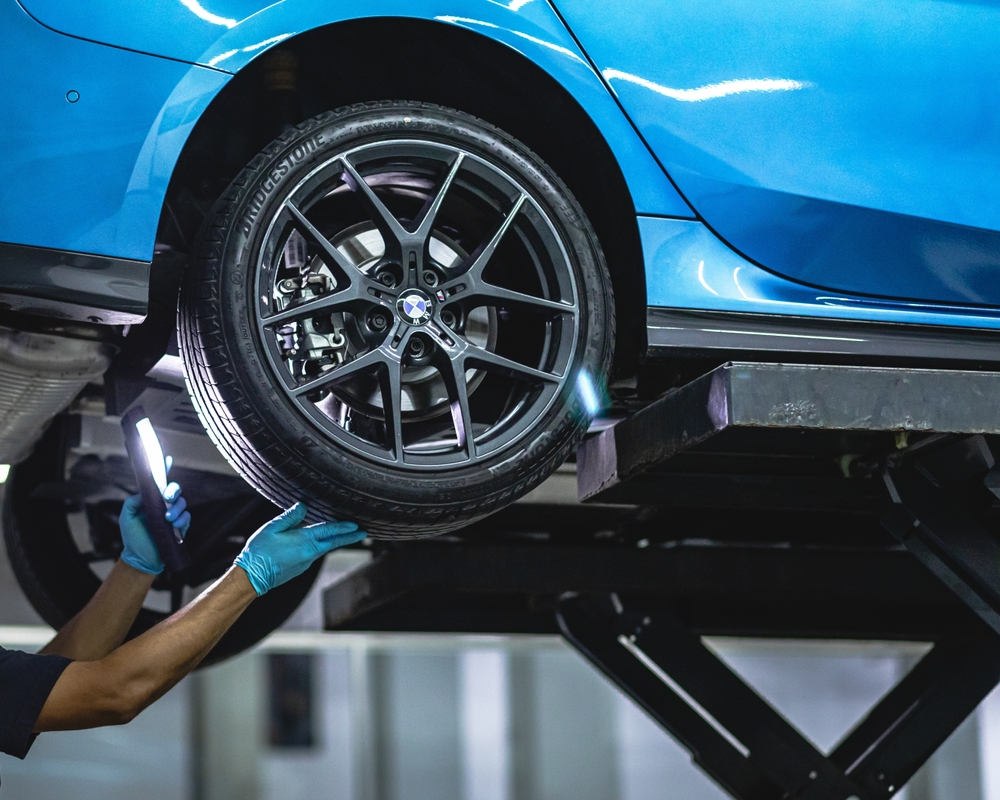
If you’ve noticed your BMW pulling to one side while driving through Fort Worth, or your Audi’s tires seem to be wearing out faster than expected, wheel alignment may be the issue. North Texas roads, changing temperatures, and daily commuting can gradually throw your suspension and alignment out of specification, affecting both performance and safety.
Quick Answer
Wheel alignment protects your German vehicle’s performance by keeping all four wheels positioned according to factory specifications. Proper alignment improves handling, extends tire life, enhances fuel efficiency, and reduces unnecessary suspension wear. For precision-engineered European vehicles, even small alignment changes can noticeably impact how the vehicle drives.
What Local Drivers Should Know
- Fort Worth roads often include construction zones, uneven pavement, and potholes that can gradually affect wheel alignment.
- Hot Texas summers cause asphalt to expand and deteriorate, increasing the chances of suspension impacts.
- German vehicles are engineered with tighter handling tolerances than many other vehicles, making proper alignment especially important.
- Routine alignment checks can help maximize the lifespan of expensive performance tires.
- Drivers who regularly travel between Fort Worth, Arlington, Benbrook, Aledo, and Weatherford may experience additional suspension wear from varying road conditions.
Why This Matters Locally
Wheel alignment is especially important for drivers throughout Fort Worth because of the area’s mix of aging roadways, ongoing highway construction, and frequent temperature swings. Daily travel on I-35W, Interstate 30, Chisholm Trail Parkway, or Loop 820 exposes vehicles to expansion joints, potholes, and rough pavement that can slowly alter suspension geometry.
Tim’s German Auto helps drivers throughout the area keep their European vehicles driving the way the manufacturer intended. After that first introduction, we focus on educating our customers so they understand how proper maintenance protects both performance and long-term ownership costs.
Local Field Observations
Our experience servicing German vehicles throughout Tarrant County shows that alignment issues often develop gradually rather than after one major impact. Many drivers adapt to a slight steering pull without realizing that uneven tire wear has already begun. By the time the wear becomes obvious, tires may need replacement much sooner than expected.
Luxury European vehicles frequently use low-profile tires and sophisticated suspension systems that provide exceptional handling but can also reveal alignment problems more quickly than conventional vehicles.
How Wheel Alignment Protects Your German Vehicle
Wheel alignment protects your German vehicle by ensuring each wheel sits at the correct angle for stability, traction, and even tire contact with the road.
Proper alignment helps:
- Maintain precise steering response.
- Reduce uneven tire wear.
- Improve braking stability.
- Maximize fuel efficiency.
- Reduce stress on suspension components.
- Preserve the comfortable ride German vehicles are known for.
- Help advanced driver assistance systems operate as intended.
Manufacturers such as BMW, Mercedes-Benz, Audi, Porsche, MINI, and Volkswagen design suspension systems to work within precise alignment specifications. Even minor deviations can change how the vehicle feels behind the wheel.
Local Impact on Performance
Poor alignment affects more than tire wear. Drivers throughout Fort Worth may notice reduced steering precision during highway travel, increased driver fatigue on longer commutes, or less confidence while cornering.
These symptoms become even more noticeable during heavy rain, which is common during certain North Texas seasons. Tires that are not making proper contact with the road may have reduced traction, making alignment an important part of overall vehicle safety.
Warning Signs Your Alignment May Need Attention
Wheel alignment problems often develop gradually. Watch for these common signs:
- The steering wheel is no longer centered while driving straight.
- The vehicle pulls left or right on a level road.
- Uneven or rapid tire wear appears.
- Steering feels loose or less responsive.
- Tires squeal during normal turns.
- The vehicle feels unstable at highway speeds.
- You recently struck a pothole or curb.
- Suspension repairs have recently been completed.
When to Call a Professional
Professional alignment service is recommended whenever steering changes become noticeable or after any significant suspension impact.
Drivers can safely monitor tire wear, steering feel, and tire pressure at home. However, correcting alignment requires specialized equipment capable of measuring camber, caster, and toe angles to manufacturer specifications. This is particularly important for German vehicles equipped with advanced suspension designs.
Common Local Causes of Wheel Misalignment
Several local conditions contribute to alignment problems around Fort Worth.
1. Potholes and Rough Roads
Construction and aging pavement can create sharp impacts that gradually shift suspension settings.
2. Curb Impacts
Parking mishaps or tight turns can slightly bend suspension components or alter alignment angles.
3. Worn Suspension Components
Bushings, ball joints, tie rods, and control arms naturally wear over time, allowing alignment to change.
4. Temperature Changes
North Texas experiences significant seasonal temperature swings that contribute to pavement movement and road surface deterioration.
5. Normal Mileage
Even without major impacts, suspension components slowly settle and wear, making periodic alignment inspections worthwhile.
Prevention and Maintenance
Routine inspections help catch alignment problems before they become expensive.
Helpful maintenance includes:
- Check tire pressure monthly.
- Inspect tires for uneven wear.
- Rotate tires according to manufacturer recommendations.
- Schedule an alignment after suspension repairs.
- Have alignment checked after significant pothole impacts.
- Include alignment inspections during routine maintenance visits.
Preventive maintenance is almost always less expensive than replacing prematurely worn tires.
Expected Results After Proper Alignment
A properly aligned German vehicle should provide:
- Straighter tracking.
- More responsive steering.
- Even tire wear.
- Improved ride comfort.
- Better highway stability.
- Longer tire life.
- Improved overall driving confidence.
Results vary depending on tire condition and whether worn suspension parts also require replacement.
Common Mistakes Drivers Make
Mistake: Waiting until tires are severely worn.
Consequence: Premature tire replacement and potentially more suspension repairs.
Better Approach: Schedule an alignment inspection when early steering changes first appear.
Mistake: Assuming new tires solve the problem.
Consequence: New tires may begin wearing unevenly almost immediately.
Better Approach: Verify alignment whenever replacing tires.
Mistake: Ignoring minor steering pull.
Consequence: Small alignment issues often become larger and more expensive over time.
Better Approach: Have steering concerns evaluated before uneven wear develops.
Common Local Scenario
A common situation involves a driver who regularly commutes between Fort Worth and Arlington. After several months of highway driving and occasional encounters with construction zones, the steering wheel no longer sits perfectly centered. Tire wear begins developing on one edge, even though tire pressure remains correct. An alignment inspection identifies minor specification changes before more significant tire damage occurs.
Related Service Solutions
Wheel alignment is often performed alongside other maintenance or repair services, including:
- Suspension inspections
- Steering component replacement
- Tire replacement
- Tire balancing
- Brake service
- Preventive maintenance inspections
Addressing these systems together helps restore both handling and overall vehicle performance.
Comparing Your Options
| Option | Benefits | Limitations |
|---|---|---|
| Monitor the issue | No immediate cost | Tire wear may continue unnoticed |
| DIY visual inspection | Can identify obvious tire wear | Cannot measure alignment angles |
| Professional wheel alignment | Restores factory specifications and handling | Requires specialized equipment |
Service Areas
We proudly serve drivers throughout Fort Worth and surrounding communities, including Arlington, Benbrook, White Settlement, Aledo, Keller, and other nearby areas across Tarrant County. Our goal is to help local German vehicle owners enjoy dependable performance throughout North Texas.
The Cost of Ignoring Alignment Problems
Ignoring wheel alignment can lead to accelerated tire wear, reduced fuel economy, increased suspension stress, and diminished handling. Because German vehicles often use premium tires and precision suspension components, delaying service may increase long-term maintenance costs.
Frequently Asked Questions
How often should wheel alignment be checked in Fort Worth?
Wheel alignment should generally be checked annually or whenever you notice steering changes, uneven tire wear, or after hitting a significant pothole. Fort Worth road conditions can accelerate alignment changes compared to smoother roadways.
Can poor alignment damage my tires?
Yes. Poor alignment causes uneven tire contact with the road, leading to premature wear that may significantly shorten tire life.
Are German vehicles more sensitive to alignment issues?
Yes. German manufacturers design their suspension systems with precise handling characteristics, so relatively small alignment changes can noticeably affect steering and ride quality.
Does driving around Tarrant County increase alignment wear?
Regular driving throughout Tarrant County exposes vehicles to construction zones, uneven pavement, and varying road surfaces that may gradually affect alignment.
Should I get an alignment after replacing suspension parts?
Yes. Suspension repairs often change alignment settings, making a professional alignment an important final step.
Can wheel alignment improve fuel efficiency?
Yes. Proper alignment reduces rolling resistance, allowing the vehicle to move more efficiently and helping maximize fuel economy.
Will alignment fix a steering wheel that’s off-center?
Yes. If alignment is the cause, correcting the wheel angles usually restores proper steering wheel position.
How long does a professional alignment take?
Most wheel alignment services can be completed within a reasonable service appointment, although additional time may be needed if worn suspension components require repair before alignment adjustments can be made.
Keep Your German Vehicle Driving the Way It Was Designed
Proper wheel alignment protects your investment by preserving tire life, steering precision, and overall driving performance. Regular inspections help identify small issues before they become costly repairs, allowing your vehicle to continue delivering the driving experience German engineering is known for.
Protect Your Tires and Performance
Our experienced team is here to help keep your German vehicle performing its best throughout Fort Worth and the surrounding communities.