German Auto Electrical Problems: Common Issues and When to Seek Professional Repair
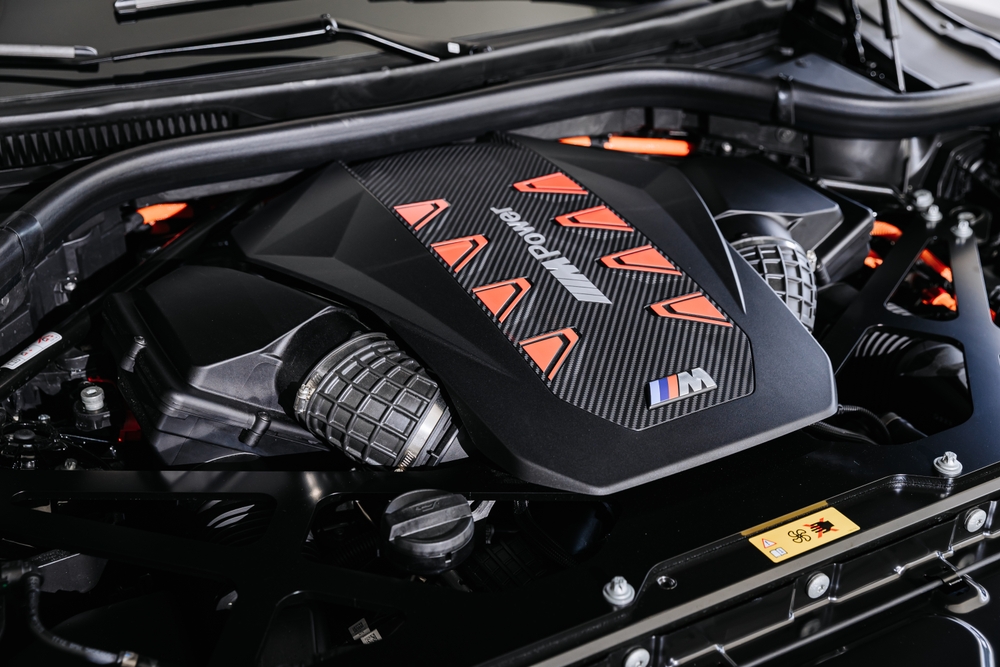
German vehicles are known for sophisticated electronics, but that complexity can make electrical problems especially frustrating when warning lights, starting trouble, battery drain, or malfunctioning accessories appear. In Fort Worth, summer heat, heavy commuting, and stop-and-go driving can add stress to batteries, charging systems, wiring, and electronic components.
Electrical problems in German vehicles can come from a weak battery, charging-system failure, damaged wiring, faulty sensors, control-module issues, or poor electrical connections. Some symptoms are minor at first, while others can leave a vehicle unable to start or cause multiple systems to malfunction. Proper diagnosis is usually more effective than replacing parts based on symptoms alone.
What Fort Worth Drivers Should Know
-
A weak battery can cause several seemingly unrelated warning messages because modern German vehicles depend on stable system voltage.
-
Fort Worth summer heat can accelerate battery deterioration and place additional demand on electrical and cooling systems.
-
Intermittent warning lights should not automatically be dismissed simply because the vehicle still drives normally.
-
Drivers commuting on I-35W, I-30, or across Tarrant County may first notice electrical trouble as an occasional starting issue or warning message.
-
Diagnostic testing can help separate a battery or charging problem from a sensor, wiring, or electronic control issue.
Why Do German Auto Electrical Problems Matter in Fort Worth?
German auto electrical problems matter in Fort Worth because high temperatures, frequent commuting, and the electrical demands of modern vehicles can turn a small voltage or component problem into a larger drivability issue. Finding the actual source early can help drivers avoid unnecessary parts replacement and unexpected starting problems.
Modern German vehicles use interconnected electronic systems to manage everything from engine operation and charging to climate control, lighting, safety features, and cabin electronics. A voltage problem in one area may therefore produce symptoms elsewhere.
That is particularly relevant during North Texas summers, when vehicles parked around Downtown Fort Worth, West 7th, the Near Southside, and other exposed areas can spend hours in intense heat.
At Tim’s German Auto, we help drivers address German vehicle problems by focusing on the underlying issue rather than assuming a warning light automatically identifies the failed part.
What Do Local Conditions Tell Us About Electrical Problems?
Local driving conditions can place substantial demands on vehicle electrical systems, particularly during hot North Texas weather. Heat is a significant consideration for batteries, while frequent starts, short trips, accessory use, and demanding commuting conditions can expose weaknesses in charging or electrical components.
For Fort Worth drivers, a vehicle may need to start after sitting in a hot parking lot and immediately power air conditioning, infotainment, lighting, cooling equipment, and numerous electronic modules.
Rather than treating every electrical symptom as the same problem, it is useful to look at when the symptom occurs. Trouble after the vehicle sits, problems primarily during startup, intermittent warnings while driving, and repeated battery discharge can point the diagnostic process in different directions.
How Can Electrical Problems Affect Local Drivers?
Electrical problems can affect Fort Worth drivers through unreliable starting, distracting warning messages, malfunctioning accessories, poor battery performance, and, in some cases, drivability problems. Because German vehicles rely heavily on electronics, unstable voltage or communication faults can sometimes produce multiple symptoms at once.
A car that hesitates to start at home may become a much bigger inconvenience after work, during a Tarrant County commute, or when parked away from home.
Electrical faults can also create uncertainty. A warning may disappear after restarting the vehicle, only to return several days later. That intermittent behavior is one reason documenting symptoms and obtaining appropriate testing can be valuable.
What Are Common Warning Signs of German Auto Electrical Trouble?
Common warning signs of German auto electrical trouble include slow starting, repeated battery discharge, warning lights, flickering electronics, and accessories that work intermittently. Drivers should pay attention to patterns because several symptoms occurring together can indicate a voltage, wiring, charging, or communication problem.
Watch for:
-
Slow or hesitant engine cranking
-
A battery that repeatedly loses its charge
-
Multiple warning lights appearing at the same time
-
Headlights or interior lights that flicker or change brightness
-
Power windows, locks, seats, or mirrors operating inconsistently
-
Infotainment screens restarting, freezing, or shutting off unexpectedly
-
Warning messages that disappear after restarting but later return
-
A vehicle that occasionally fails to start despite previously operating normally
When Should You Seek Professional Electrical Repair?
Professional electrical repair should be considered when a German vehicle repeatedly loses battery power, displays recurring warning messages, fails to start reliably, or has several electronic systems malfunctioning together. Persistent or intermittent faults often require diagnostic equipment and systematic electrical testing rather than trial-and-error part replacement.
Drivers can safely check simple items such as whether lights were left on or whether visible battery connections appear obviously loose or damaged. Beyond basic observations, electrical diagnosis can become complicated quickly.
If the vehicle stalls, will not start reliably, develops a burning smell, or shows signs of an electrical component overheating, avoid treating the problem as something to monitor indefinitely.
What Commonly Causes German Auto Electrical Problems?
Common German auto electrical problems are often traced to battery and charging issues, poor connections, wiring faults, sensors, or electronic components. In Fort Worth, heat and demanding daily use can make an already weakened battery or marginal electrical connection more noticeable.
1. Battery Problems
A weak battery may still start the vehicle sometimes while failing to provide consistent voltage under every condition. Modern electronics can respond unpredictably when voltage drops too far.
2. Charging-System Problems
If the charging system cannot maintain appropriate battery charge, drivers may experience recurring dead-battery symptoms even after installing or charging a battery.
3. Wiring and Connection Issues
Loose, corroded, damaged, or otherwise compromised electrical connections can create intermittent symptoms that appear and disappear with vibration, temperature, or vehicle movement.
4. Sensors and Electronic Components
Modern German vehicles rely on numerous sensors and electronic components. A malfunction may trigger warning messages or affect how related systems operate.
5. Parasitic Battery Drain
If a component continues drawing excessive electrical power after the vehicle is shut down, the battery can discharge while parked. This can be especially confusing when the battery appears normal immediately after driving.
How Can Fort Worth Drivers Reduce Electrical Problems?
Fort Worth drivers can reduce the likelihood of electrical surprises by monitoring battery condition, responding to recurring warning messages, and having intermittent symptoms investigated before they become consistent failures. Seasonal attention is particularly useful before the hottest part of the North Texas summer.
Keep track of when electrical symptoms happen. Note whether trouble occurs after overnight parking, after several short trips, during extreme heat, or while particular accessories are operating.
Avoid repeatedly jump-starting a vehicle without investigating why the battery is losing charge. A jump may get the car moving, but it does not identify whether the battery, charging system, electrical draw, or another issue caused the failure.
What Results Should You Expect From Professional Diagnosis?
Professional electrical diagnosis should narrow the problem to its actual system or component before repair decisions are made. Depending on the symptoms, that may involve evaluating battery condition, charging performance, stored fault information, electrical connections, wiring, or individual components.
The goal is not simply to make a warning disappear temporarily. It is to understand why the symptom occurred and determine an appropriate repair approach.
What Mistakes Should German Vehicle Owners Avoid?
German vehicle owners should avoid assuming every electrical symptom means the battery is bad, clearing warnings without investigation, or replacing multiple parts based only on guesswork. Complex electronic systems often require diagnosis before the correct repair becomes clear.
Mistake: Replacing the battery every time the car will not start.
Consequence: The real charging or electrical-drain problem may remain.
Better approach: Determine why the battery became discharged.
Mistake: Ignoring an intermittent warning because it disappeared.
Consequence: The underlying fault may return during a Fort Worth commute.
Better approach: Record the message and conditions under which it appeared.
Mistake: Replacing a sensor solely because a warning references that system.
Consequence: Wiring, voltage, or another component may actually be responsible.
Better approach: Diagnose the circuit and related systems before choosing a repair.
What Is a Common Local Electrical-Problem Scenario?
A common local scenario is a German vehicle that starts normally most days but struggles after sitting, particularly as temperatures rise. The owner may jump-start the vehicle, drive around Fort Worth, and assume the problem is solved when it starts normally again later.
If the issue returns, repeated jump-starting is not a long-term solution. Testing can help determine whether the battery itself is weak, the charging system is not maintaining it, or an electrical draw is discharging it while parked.
Which Services Can Address German Auto Electrical Problems?
German auto electrical problems may require battery and charging-system testing, diagnostic scanning, wiring inspection, circuit testing, or evaluation of individual electronic components. The appropriate service depends on the symptoms and what testing reveals.
At Tim’s German Auto, we can evaluate the problem and help determine an appropriate next step for your German vehicle.
Should You Troubleshoot the Problem Yourself or Seek Professional Service?
Basic observation is appropriate for simple electrical concerns, but recurring or complex problems are better suited to professional diagnosis. Owners can document warning messages and check for obvious causes, while testing circuits, charging performance, electrical draws, and interconnected electronic systems generally requires greater diagnostic capability.
For a one-time issue caused by accidentally leaving a light on, monitoring may be reasonable. For repeated dead batteries, multiple warnings, unreliable starting, or intermittent electronic failures, professional diagnosis is the stronger option.
What Areas Can Local German Vehicle Owners Seek Service From?
Drivers in Fort Worth and surrounding Tarrant County communities may encounter the same heat-related and commuting-related electrical concerns. That includes motorists traveling from areas such as Arlington, Keller, and other nearby communities into the city for work, errands, or service.
What Can Happen If You Ignore an Electrical Problem?
Ignoring an electrical problem can lead to increasingly unreliable vehicle operation, repeated battery discharge, additional diagnostic difficulty, or an unexpected no-start situation. For Fort Worth commuters, waiting can turn an intermittent inconvenience into a vehicle that cannot be relied upon when needed.
Electrical symptoms do not always mean a major repair is required, but recurring problems deserve investigation.
FAQ
What are the most common signs of electrical trouble in a German car?
The most common signs include slow cranking, repeated dead batteries, flickering lights, intermittent accessories, infotainment problems, and recurring warning messages. Multiple symptoms appearing together can suggest unstable voltage or another shared electrical issue, which is why diagnosis is often preferable to replacing the first component that appears suspicious.
Can Fort Worth heat cause car battery problems?
High temperatures can contribute to battery deterioration, making battery condition particularly relevant for Fort Worth drivers. A battery that is already weakened may become more noticeable during demanding summer conditions. If starting becomes slower or the battery repeatedly discharges, testing can help distinguish battery trouble from charging or electrical-drain problems.
Why does my German car show several warning lights at once?
Several warning lights can appear when multiple systems detect faults, and unstable system voltage is one possible reason. Because modern German vehicles contain interconnected electronic systems, the number of warnings does not necessarily equal the number of failed parts. Proper fault-code and electrical diagnosis can help identify the underlying cause.
Should I keep jump-starting my car if the battery dies in Fort Worth?
Repeated jump-starting should not substitute for finding the cause of recurring battery discharge. If your vehicle repeatedly needs a jump around Fort Worth or elsewhere in Tarrant County, the battery, charging system, electrical connections, or an excessive key-off electrical draw may need evaluation.
Why does my battery die while my German car is parked?
A battery can discharge while parked because the battery itself is weak or because an electrical component is drawing more power than expected after shutdown. Identifying a parasitic draw may require systematic testing because the responsible circuit or component is not always obvious from the symptoms alone.
Can an electrical problem be intermittent?
Yes, electrical problems can be intermittent because wiring connections, electronic components, sensors, or voltage conditions may not fail consistently. Fort Worth heat, vibration during driving, and changing operating conditions can make some symptoms appear only occasionally. Recording exactly when the problem occurs can provide useful diagnostic information.
Should I ignore a warning light if it disappears after restarting?
No, a recurring warning should not automatically be ignored simply because restarting makes it disappear. Some faults are intermittent, and information stored by the vehicle may help with diagnosis. If the message repeatedly returns during trips around Fort Worth, having the underlying system evaluated is a sensible next step.
When should a German car’s electrical problem be checked professionally?
Professional diagnosis is appropriate when starting becomes unreliable, the battery repeatedly dies, warning messages keep returning, or multiple electronic features malfunction together. Drivers around Fort Worth, Arlington, Keller, and the surrounding area should also seek prompt help if there is a burning smell, overheating electrical component, or stalling concern.
Get Your German Vehicle’s Electrical Problem Properly Diagnosed
Electrical problems can be frustrating, but identifying the underlying cause is more useful than repeatedly treating the symptom. We can help Fort Worth-area drivers determine what is causing recurring starting, battery, warning-light, or electronic issues and identify the appropriate repair path.