Battery Problems in German Cars: Signs Your BMW, Audi, or Mercedes Needs Attention
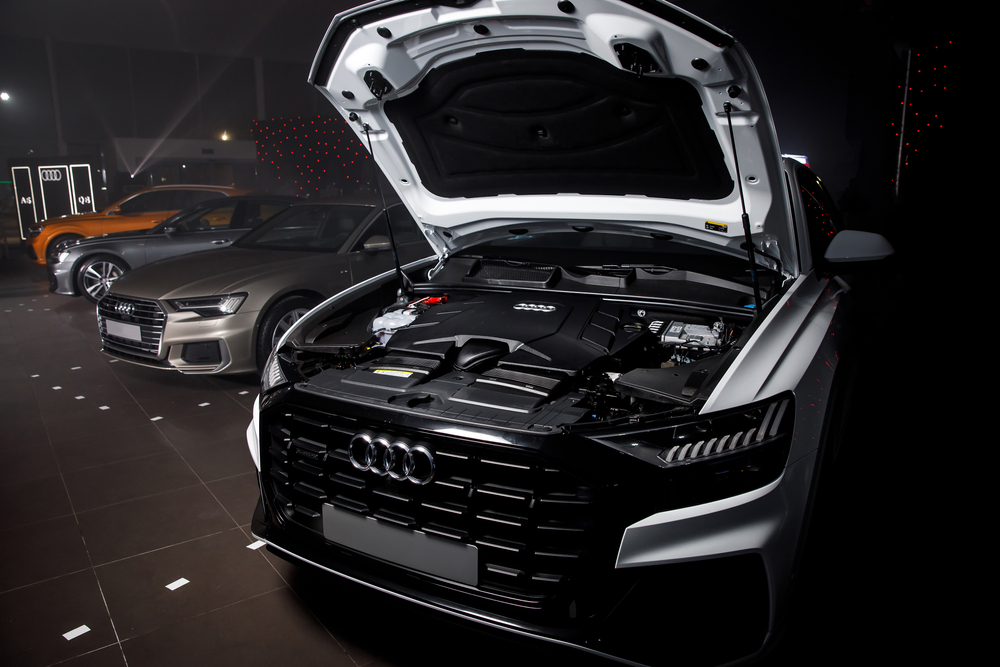
A German car that starts slowly on a hot Fort Worth afternoon may be giving you more than a minor warning. BMW, Audi, and Mercedes-Benz vehicles depend on stable electrical power for starting, control modules, comfort features, and numerous computerized systems, so a weakening battery can create symptoms that seem unrelated at first.
The key is recognizing those symptoms before you end up with a vehicle that will not start.
Quick answer: Common signs of battery problems in a BMW, Audi, or Mercedes include slow cranking, intermittent starting, electrical warning messages, dim or flickering lights, malfunctioning accessories, and repeated low-voltage faults. Fort Worth heat can also place additional stress on an aging battery. Because modern German vehicles use sophisticated battery monitoring and charging systems, proper testing is usually more useful than simply replacing a battery based on age.
What local drivers should know
-
A slow start after your vehicle has been parked overnight can be an early sign of declining battery performance.
-
Long periods of North Texas summer heat can contribute to battery deterioration, especially when a vehicle regularly sits outside.
-
Short trips around Downtown, Near Southside, or Arlington Heights may not always give the charging system much time to replenish a weak battery.
-
Electrical warnings do not automatically mean the battery itself is defective, since charging-system problems and parasitic electrical drains can produce similar symptoms.
-
Some BMW, Audi, and Mercedes models require additional procedures after battery replacement, so installing a new battery is not always a simple remove-and-replace job.
Why Battery Problems Matter for Fort Worth Drivers
Battery problems matter in Fort Worth because prolonged heat, frequent short trips, and the electrical demands of modern German vehicles can expose a weakening battery quickly. A battery that seems acceptable during one drive may struggle after sitting in a hot parking lot or powering electronics during repeated short trips.
National Weather Service climate normals show just how demanding North Texas summers can be, with normal daytime highs around the mid-90s during July and August.
That matters whether you park near Sundance Square, commute along I-30 or I-35W, or leave your vehicle outside during the workday near the Cultural District. Underhood temperatures can become demanding, and batteries generally become less forgiving as they age.
At Tim’s German Auto, we help local drivers determine whether an electrical symptom is actually being caused by the battery, the charging system, or another component instead of relying on guesswork.
Local Data and Shop-Level Diagnosis
Fort Worth’s summer climate creates conditions in which battery condition deserves regular attention, especially before an older battery reaches the point of failure. National Weather Service climate normals for the area show normal maximum temperatures of approximately 94°F in both July and August.
Temperature alone does not tell you whether your battery needs replacement. Actual battery condition depends on factors including age, charging performance, vehicle use, electrical demand, and whether another system is drawing power while the car is parked.
For that reason, we look at the symptoms and test the electrical system rather than assuming every starting problem requires a new battery.
How a Weak Battery Can Affect Your German Car
A weak battery can affect much more than the starter because BMW, Audi, and Mercedes vehicles depend on stable system voltage for numerous electronic modules. Low voltage can sometimes produce warning messages, accessory problems, communication faults, or other unusual electrical behavior.
Drivers around Tarrant County may first notice something subtle. The engine might crank slightly longer than usual. The infotainment system may act differently during startup. A warning could appear and then disappear.
These symptoms deserve attention because modern German vehicles contain interconnected electronic systems. Proper voltage is part of keeping those systems operating as designed.
Warning Signs Your BMW, Audi, or Mercedes Battery Needs Attention
The most common battery warning signs involve starting performance, electrical behavior, and low-voltage symptoms that become more frequent over time.
Watch for:
-
Slow engine cranking: The starter sounds noticeably slower or more labored than before.
-
Intermittent no-start condition: The vehicle starts normally one day but struggles or fails to start another day.
-
Repeated battery or electrical warnings: Dashboard messages relating to battery discharge, charging, or electrical power deserve diagnosis.
-
Dim or flickering lights: Interior or exterior lights that change brightness can indicate unstable voltage.
-
Accessories behaving unexpectedly: Windows, seats, infotainment systems, locks, or other electronic features may behave differently when voltage is low.
-
Clicking when you try to start: Rapid clicking can occur when insufficient battery power reaches the starter.
-
Needing repeated jump-starts: A battery that repeatedly requires outside assistance needs testing, even if the vehicle drives normally afterward.
-
Problems after the car sits: A vehicle that starts well after driving but struggles after sitting overnight may have a weak battery, a charging problem, or an electrical draw.
When to Call a German Auto Professional
Professional diagnosis is appropriate when starting problems repeat, warning messages appear, the battery keeps losing its charge, or electrical symptoms occur alongside a weak start. Drivers can safely check for obvious issues such as lights accidentally left on, but repeated electrical problems deserve proper testing.
A jump-start can get you moving, but it does not explain why the battery became discharged.
We can evaluate whether the battery can hold an appropriate charge and whether the vehicle’s charging system is functioning properly. If the battery itself is not the cause, further diagnosis may be needed to identify an electrical draw or another system fault.
That is especially valuable before relying on the car for a commute from Keller, Benbrook, Alliance, or another part of the Fort Worth area.
Common Causes of Battery Trouble in German Cars
The most common causes of battery trouble include battery deterioration, heat exposure, charging-system problems, electrical drains, and driving habits that do not allow sufficient recovery.
1. Battery deterioration
Every automotive battery eventually loses capacity. The important question is whether it can still provide the electrical performance your particular vehicle requires.
2. North Texas heat
Extended heat can be hard on automotive batteries. Vehicles regularly parked outdoors around Fort Worth may experience demanding temperatures for months at a time.
3. Frequent short trips
Repeated short drives can be demanding when a battery is already weak. Starting requires significant electrical energy, and brief trips may provide limited recovery time.
4. Charging-system problems
A battery cannot stay healthy if the charging system is not supplying power correctly. Replacing the battery without checking the underlying issue can lead to another discharge.
5. Parasitic electrical draw
An electrical component or module that continues drawing excessive power after shutdown can discharge a healthy battery while the vehicle sits.
How to Reduce Battery Problems
The best way to reduce battery trouble is to pay attention to changes in starting behavior and have questionable battery performance tested before peak summer heat or an important trip. Preventive checks are particularly useful when a battery has already shown signs of weakness.
For Fort Worth drivers, practical steps include:
-
Pay attention when the engine begins cranking more slowly than usual.
-
Avoid assuming that one successful jump-start means the problem is solved.
-
Have repeated low-voltage warnings diagnosed.
-
Make sure the battery and charging system are checked together when appropriate.
-
Consider battery condition before a long North Texas road trip.
-
Do not repeatedly disconnect or replace electrical components in an attempt to clear warning messages.
DIY inspection should stop when diagnosis requires electrical testing, control-module evaluation, or vehicle-specific battery procedures.
What to Expect After Proper Battery Service
Proper battery service should restore reliable starting when the battery itself is the confirmed cause, while appropriate diagnostic procedures can help identify charging or electrical issues when replacement alone would not solve the problem.
Some German vehicles use battery monitoring or energy-management systems that make the replacement process more involved than it is on many older vehicles. Procedures vary by model, year, battery type, and equipment.
After service, drivers should expect the vehicle to start consistently without repeated jump-starts or battery-related symptoms if the diagnosed cause has been corrected. Additional faults may require separate repairs.
Common Battery Mistakes to Avoid
The biggest battery mistakes involve replacing parts without diagnosis, ignoring repeated symptoms, and assuming every electrical warning is caused by the battery.
Mistake: Replacing the battery immediately after one no-start.
Consequence: The actual cause may be a charging or electrical problem.
Better approach: Test the battery and related electrical system before deciding what needs repair.
Mistake: Continuing to jump-start the vehicle repeatedly.
Consequence: You may become stranded when the battery can no longer recover.
Better approach: Diagnose repeated discharge instead of treating each event separately.
Mistake: Buying a battery based only on physical size.
Consequence: German vehicles may have specific battery and electrical-system requirements.
Better approach: Confirm the correct battery specification and any model-specific service procedure.
Common Fort Worth Battery Scenario
A common local scenario is a German car that operates normally for most of the week but begins cranking slowly after spending long periods parked outside during the summer. Eventually, the owner needs a jump-start and assumes the battery simply became discharged once.
If the problem returns, the vehicle needs more than another jump. Testing can determine whether the battery has deteriorated, whether charging performance is inadequate, or whether something is drawing power while the car is parked.
Recognizing that pattern early can make the repair process much more straightforward.
Battery and Electrical Service Solutions
Battery and electrical diagnosis can determine whether a starting problem is caused by the battery itself or another part of the vehicle’s electrical system. The appropriate solution may include testing, battery replacement, charging-system diagnosis, or investigating an electrical draw.
Because procedures differ among BMW, Audi, and Mercedes models, vehicle-specific service information matters.
Comparing Your Options: Testing vs. Simply Replacing the Battery
Testing is usually the better first step when the cause of a battery problem is uncertain because it helps distinguish battery failure from charging problems and electrical drains. Replacement makes sense when testing confirms the battery can no longer perform properly.
A DIY battery replacement may appear straightforward, but modern German vehicles can have battery-monitoring and energy-management systems that require model-specific procedures.
Professional diagnosis is particularly worthwhile when warning lights, repeated discharge, abnormal electrical behavior, or communication faults are involved.
German Auto Service Areas Around Fort Worth
We serve drivers in Fort Worth and surrounding parts of Tarrant County who need help diagnosing BMW, Audi, Mercedes, and other German vehicle concerns. That includes drivers traveling from communities such as Keller and Benbrook, along with neighborhoods from Near Southside and Arlington Heights to the Alliance area.
What Happens If You Ignore a Weak Battery?
Ignoring a weak battery increases the chance of an unexpected no-start and can allow an underlying charging or electrical problem to continue. What begins as slightly slow cranking can eventually become a vehicle that will not start when you need it.
For local drivers, that could mean being stranded after work, missing a morning commute, or discovering the problem during one of the hottest periods of the North Texas summer.
Early diagnosis gives you the opportunity to deal with the cause before the vehicle becomes unreliable.
Frequently Asked Questions About German Car Batteries
How can I tell if my BMW battery is getting weak in Fort Worth?
A BMW battery may be getting weak if you notice slow cranking, intermittent starting, battery-discharge warnings, or unusual electrical behavior. Fort Worth summer heat can add stress to an aging battery, but testing is the best way to determine whether the battery itself or another electrical component is responsible.
Does Fort Worth heat shorten car battery life?
High temperatures can contribute to automotive battery deterioration, making battery condition particularly relevant during North Texas summers. Fort Worth normally experiences daytime temperatures in the 90s during the hottest months. Actual battery life still varies according to battery type, vehicle condition, driving habits, charging performance, and storage conditions.
Why does my Audi battery keep dying overnight?
An Audi that repeatedly loses battery power overnight may have a weak battery, an electrical draw, or a charging-system problem. The pattern should be diagnosed rather than solved with repeated jump-starts. Proper testing can help determine whether the battery is failing or power is being consumed while the vehicle is parked.
Does a Mercedes need special service after battery replacement?
Some Mercedes models may require vehicle-specific procedures when a battery is replaced, depending on model, year, battery configuration, and electrical system. The safest approach is to follow the correct service information for the exact vehicle rather than assuming every battery replacement follows the same procedure.
Should I replace my German car battery before a Fort Worth summer?
Replacement should be based on battery condition rather than the calendar alone, but checking an older or questionable battery before the hottest Fort Worth months can be sensible. If starting has become slower or the vehicle has produced battery warnings, testing before summer can identify problems before they become a no-start situation.
Why does my BMW start after a jump but die again later?
A BMW that starts after a jump but loses power again may have a battery that cannot hold sufficient charge, a charging-system issue, or an excessive electrical draw. A jump-start only supplies temporary power. Repeated discharge means the underlying reason needs to be identified.
Can short trips around Fort Worth cause battery problems?
Frequent short trips can contribute to battery problems when the battery is already weak or the electrical system has difficulty replenishing the energy used during startup. Drivers making repeated short trips around Downtown, the Cultural District, or Near Southside should pay attention to slower starting or recurring low-voltage warnings.
Can a weak battery cause warning lights in an Audi or Mercedes?
Low system voltage can contribute to unusual electrical symptoms and warning messages because modern Audi and Mercedes vehicles rely on numerous electronic control systems. A warning light does not prove the battery is defective, however. Diagnostic testing is needed to determine whether voltage, charging performance, or another vehicle system is responsible.
Keep Your German Car Starting Reliably in Fort Worth
Battery problems are easier to handle when you recognize the early signs instead of waiting for a complete no-start. If your BMW, Audi, or Mercedes is cranking slowly, showing electrical warnings, or repeatedly losing its charge, proper testing can identify what is actually happening.
Get Ahead of Your Next Battery Problem
We can help determine whether your German car needs battery service, charging-system diagnosis, or further electrical testing so you can get back to dependable driving around Fort Worth.