What Causes Strange Noises in German Cars? A Guide for Fort Worth Drivers
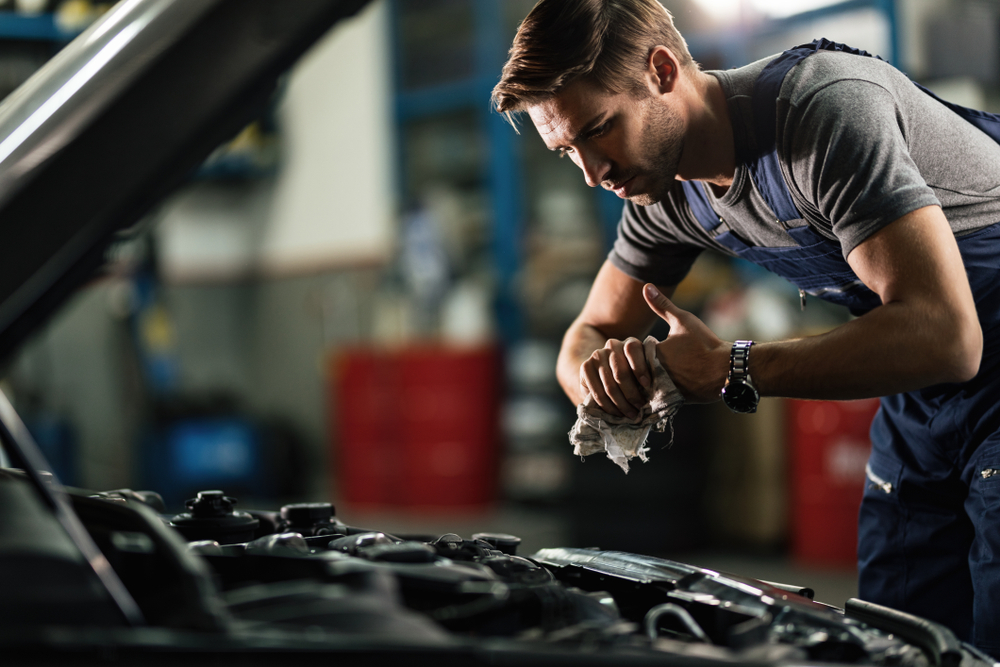
A new rattle on I-30, a squeal while braking near downtown, or a humming sound on Loop 820 can quickly get a driver’s attention. German vehicles are engineered with interconnected mechanical and electronic systems, so an unfamiliar sound can sometimes be an early warning that a component needs inspection.
Quick answer: Strange noises in German cars can come from brakes, suspension components, wheel bearings, belts, pulleys, exhaust parts, engine accessories, or drivetrain components. The type of sound, when it happens, and where it seems to originate can help narrow down the cause. Fort Worth drivers should pay particular attention to noises that become louder, happen consistently, or appear with vibration, warning lights, steering changes, or braking problems.
What local drivers should know
- Squealing or grinding during braking can indicate a brake-system issue that deserves prompt attention.
- Clunking over uneven pavement may point toward worn or loose suspension or steering components.
- Humming that changes with road speed can be associated with tires, wheel bearings, or other rotating components.
- North Texas heat can place additional stress on rubber components, fluids, cooling systems, and other temperature-sensitive parts.
- A new noise that appears along with a warning light, vibration, or change in vehicle handling should not be dismissed.
Why Do Strange Car Noises Matter in Fort Worth?
Strange car noises matter in Fort Worth because they can provide an early clue that wear, damage, or a mechanical problem is developing before the vehicle experiences a more obvious symptom. Heat, stop-and-go traffic, highway driving, rough pavement, and frequent temperature changes can all contribute to wear on vehicle components.
Local driving can involve very different conditions in a single trip. A vehicle might spend time crawling through traffic near downtown, accelerate onto I-35W, and then travel at sustained highway speeds toward Alliance or Tarrant County suburbs.
Those changing conditions can make certain noises easier to notice. Brake sounds may become apparent in traffic, while wheel-bearing or tire noises may become more obvious at highway speed.
At Tim’s German Auto, we help drivers identify the source of unfamiliar vehicle sounds rather than relying on the noise alone to determine what needs repair. From this point forward, we recommend treating a new or worsening sound as diagnostic information that can help guide a proper inspection.
What Do We Commonly Observe With Noisy German Vehicles?
Our field observation is that the timing and behavior of a noise can be just as useful as the sound itself. A technician will want to know whether the noise happens while starting, accelerating, braking, steering, traveling over bumps, idling, or maintaining a particular speed.
For Fort Worth drivers, it is useful to note whether the noise changes after the vehicle warms up or after driving at highway speeds. Also pay attention to whether air conditioning use, steering input, engine speed, or road speed affects it.
A description such as “a clicking sound when turning left at low speed” provides much more diagnostic information than simply saying the vehicle makes a strange noise.
How Can Strange Noises Affect Your Vehicle?
Strange noises can affect your vehicle by signaling wear that may eventually influence braking, handling, ride quality, reliability, or drivability. The exact impact depends on which component is making the sound and why.
A loose heat shield, for example, is very different from a worn suspension component or grinding brake part. This is why diagnosing the source matters before deciding how urgent or extensive a repair may be.
For drivers regularly traveling between Fort Worth, Arlington, Keller, and other parts of Tarrant County, catching a developing issue early can also reduce the chance of an inconvenient breakdown during a commute.
What Warning Signs Should Fort Worth Drivers Watch For?
Warning signs include noises that are new, persistent, getting louder, or accompanied by another change in how the vehicle drives. A sound deserves particular attention when you notice:
- Grinding, scraping, or metal-on-metal sounds while braking.
- Clunking or knocking when driving over bumps or turning.
- Squealing or chirping from the engine area.
- Humming, roaring, or growling that increases with vehicle speed.
- Clicking while turning or accelerating.
- Rattling underneath the vehicle at idle or over rough pavement.
- A new noise accompanied by steering-wheel or vehicle vibration.
- Any unfamiliar sound combined with a dashboard warning light or noticeable loss of performance.
Do not rely on sound alone to determine whether a vehicle is safe to drive. A professional inspection can help identify the affected system.
When Should You Call a German Auto Repair Professional?
You should call a German auto repair professional when a noise is persistent, worsening, difficult to locate, or accompanied by changes in braking, steering, handling, engine performance, or warning lights. Grinding, heavy knocking, severe vibration, overheating, or significant drivability changes deserve especially prompt attention.
Drivers can safely make basic observations before an appointment. Note when the sound occurs, whether the engine is hot or cold, your approximate speed, and whether you are accelerating, braking, turning, or traveling over bumps.
Avoid attempting to diagnose moving engine, suspension, brake, or drivetrain components by placing yourself underneath or near an operating vehicle.
What Commonly Causes Strange Noises in German Cars?
Strange noises in German cars commonly come from brake, suspension, wheel, engine-accessory, exhaust, or drivetrain components. The character and timing of the noise help determine which system should be inspected first.
Brake Components
Squealing, scraping, or grinding while slowing down can originate within the braking system. Pads, rotors, shields, hardware, or other brake components may need inspection.
Stop-and-go driving along busy Fort Worth corridors can make brake-related noises especially noticeable because drivers repeatedly slow and accelerate.
Suspension and Steering Components
Clunks, knocks, creaks, and rattles over bumps can indicate movement somewhere in the suspension or steering system. Bushings, links, mounts, joints, and other components can wear over time.
Uneven pavement, potholes, and repeated road impacts around North Texas can make existing suspension wear easier to hear.
Wheel Bearings and Tires
A humming, growling, or roaring sound that changes as vehicle speed increases can originate around the wheels. Tire wear can sometimes create sounds that resemble bearing noise, making an inspection important before replacing parts.
Belts, Tensioners, and Pulleys
Squealing, chirping, or rattling from the engine compartment may involve a belt-driven component, tensioner, pulley, or accessory. High temperatures can be demanding on rubber and other underhood materials, making routine inspections worthwhile in the local climate.
Exhaust and Underbody Components
A metallic rattle underneath the car can come from exhaust hardware, heat shielding, brackets, or another underbody component. Some rattles appear only at certain engine speeds because vibration causes a loose part to resonate.
Drivetrain Components
Clicks, clunks, whining, or other sounds during acceleration, deceleration, or turning can sometimes involve drivetrain components. These noises require proper diagnosis because multiple systems can produce similar symptoms.
How Can Fort Worth Drivers Prevent Noise-Related Problems?
Fort Worth drivers can prevent some noise-related problems by keeping up with scheduled maintenance, inspecting wear items, and addressing new symptoms before they become persistent. Preventive care cannot eliminate normal component wear, but it can make developing problems easier to identify.
Check tire condition and pressure regularly, pay attention to brake feel, and notice changes in steering or ride quality. Before the hottest part of the North Texas summer, consider having aging belts and other relevant underhood components inspected as part of routine service.
DIY observation is useful. DIY diagnosis becomes less reliable when components need to be lifted, disassembled, electronically tested, or measured.
What Should You Expect After a Noise Is Diagnosed?
After a noise is diagnosed, you should expect to understand which system is producing the sound and what repair or maintenance may be appropriate. Some noises may have a relatively simple source, while others require additional inspection to isolate.
A proper diagnosis should focus on identifying the cause rather than replacing components based only on what a noise seems to resemble. Once the source is confirmed, the repair can be planned according to the component’s condition and the vehicle’s needs.
What Mistakes Do Drivers Make With Strange Car Noises?
A common mistake is assuming that a familiar-sounding noise must have the same cause as a previous problem. The consequence can be unnecessary parts replacement. The better approach is to reproduce the symptom and inspect the related systems.
Another mistake is turning up the radio and waiting for the sound to become severe. That can allow a developing problem to continue unnoticed. Fort Worth drivers are better served by documenting when the sound happens and arranging an inspection if it persists.
Drivers also sometimes describe only the noise itself. Instead, note speed, engine temperature, road conditions, braking, steering input, and whether the air conditioning is operating. Those details can make diagnosis more efficient.
What Is a Common Local Noise Scenario?
A common local scenario is a driver who notices a faint humming sound during neighborhood driving but hears it much more clearly after merging onto Loop 820 or I-30. The sound rises with road speed and may initially seem like ordinary tire noise.
This is not a case study or diagnosis. Similar symptoms can have several causes, including tire wear and wheel-related components. The useful next step is to note how the sound changes with speed and have the vehicle inspected rather than assuming a specific part has failed.
What Services Can Help Diagnose Strange Noises?
Diagnostic inspection and German auto repair services can help determine whether an unfamiliar sound comes from the brakes, suspension, steering, wheels, engine accessories, exhaust, or drivetrain. The correct service depends on what testing and inspection reveal.
We can use the driver’s description as a starting point, reproduce the symptom when practical, and inspect the systems associated with the sound.
Should You Diagnose a Car Noise Yourself or Use Professional Service?
DIY observation is useful for documenting a noise, while professional diagnosis is the better approach when determining the mechanical source requires inspection, testing, lifting the vehicle, or disassembly. Listening carefully can provide clues, but similar noises can originate from very different components.
Drivers can record when the noise occurs and check straightforward items such as whether something loose inside the cabin or cargo area is rattling. Brake, suspension, drivetrain, and underhood diagnosis should be handled with appropriate equipment and safe procedures.
What Areas Do We Serve Around Fort Worth?
We serve drivers seeking German auto service in Fort Worth and the surrounding area. Customers traveling from communities around Tarrant County, including Keller and Arlington, may encounter many of the same highway, traffic, pavement, and North Texas climate conditions discussed in this guide.
What Can Happen If You Ignore a Strange Vehicle Noise?
Ignoring a strange vehicle noise can allow the underlying wear or damage to progress, although the consequences depend entirely on its cause. A harmless cabin rattle is very different from a grinding brake sound, worn wheel component, or serious engine noise.
Waiting can also make diagnosis more difficult if additional symptoms develop. For local drivers who depend on their vehicles for daily travel across the Metroplex, addressing persistent noises can reduce uncertainty and help plan repairs before a problem causes greater disruption.
FAQ About Strange Noises in German Cars
Why is my German car squealing when I brake in Fort Worth?
Squealing during braking can come from brake pads, rotors, hardware, shields, or other components in the braking system. The sound alone does not confirm which part is responsible. If the squeal is new, persistent, or accompanied by grinding, vibration, or changes in braking performance, arrange an inspection.
Why does my car clunk over bumps on Fort Worth roads?
A clunk over bumps can indicate movement or wear in suspension or steering components, although loose items elsewhere in the vehicle can also create similar sounds. If the noise repeatedly occurs over uneven pavement or is accompanied by steering or handling changes, the suspension and steering systems should be inspected.
Can North Texas heat cause car noises?
North Texas heat can contribute to conditions that make some vehicle noises more noticeable because high temperatures affect rubber components, fluids, lubrication, and underhood operating conditions. Heat does not identify the cause of a specific sound, so persistent squealing, rattling, knocking, or grinding still requires diagnosis.
Why does my car hum when driving on I-35W?
A humming sound that changes with road speed can come from tires, wheel bearings, or other rotating components. Highway driving on I-35W may make the sound easier to hear because the vehicle remains at higher speeds. A technician can inspect the tires and wheel-related components to distinguish among possible causes.
Is a rattling exhaust dangerous to drive with?
An exhaust-area rattle is not automatically dangerous, but it should be inspected if it persists. Heat shields, brackets, exhaust components, or other underbody parts can produce metallic rattling. Because the source cannot be confirmed by sound alone, avoid assuming that a rattle is harmless without checking the affected area.
Why does my German car make noise only when it is cold?
A noise that appears only during a cold start can relate to components whose operation changes as temperatures, fluid circulation, or engine speed change. The pattern is useful diagnostic information. Tell the technician how long the sound lasts and whether it disappears completely after the vehicle warms up.
Should I stop driving if I hear grinding in Fort Worth traffic?
Grinding should be treated more seriously when it occurs with braking problems, steering changes, strong vibration, warning lights, overheating, or loss of performance. Because grinding can have different mechanical causes, the safest response depends on the other symptoms. Avoid continued driving when the vehicle no longer feels safe or operates normally.
Can potholes and rough Tarrant County roads cause suspension noises?
Road impacts can make existing suspension or steering wear more noticeable and can sometimes contribute to component damage. A new clunk, knock, or steering change after a hard impact deserves attention. An inspection can determine whether a component is worn, loose, damaged, or unrelated to the road impact.
Get Your German Car’s Strange Noise Checked in Fort Worth
An unfamiliar sound does not tell you exactly what is wrong, but it can give you an early opportunity to investigate. We help Fort Worth drivers identify the source of unusual vehicle noises so the appropriate repair decisions can be based on inspection rather than guesswork.
Get answers before that strange noise gets worse.
We can inspect your German vehicle, identify the likely source of the sound, and explain the appropriate next steps.