Why Your German Vehicle May Be Losing Performance — And What to Do About It
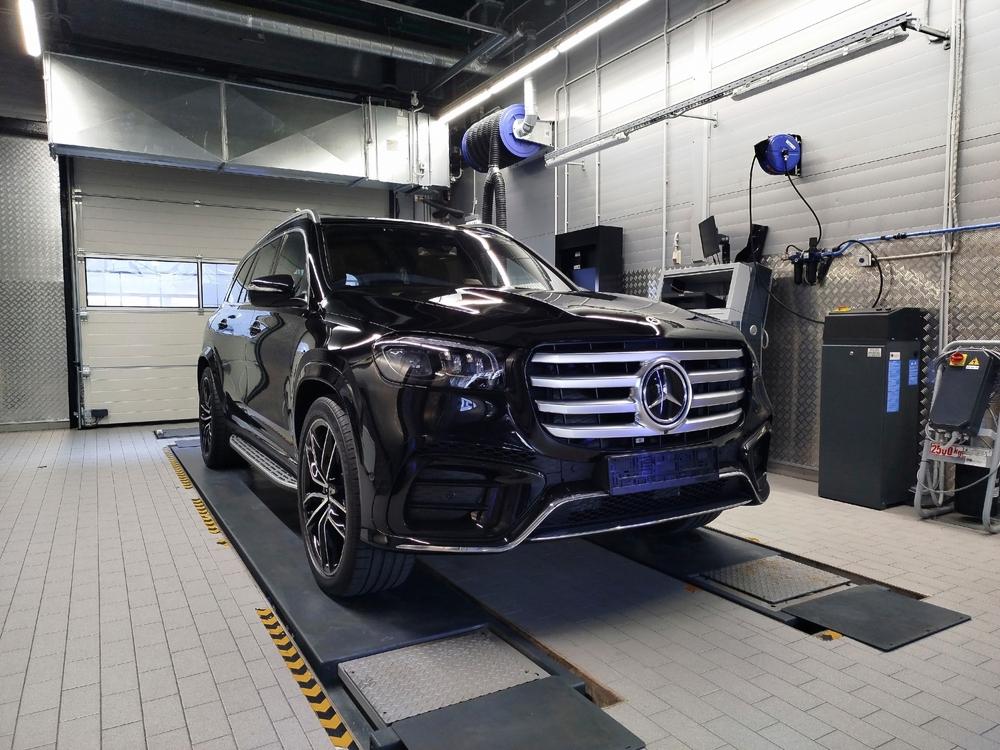
German automakers have built a global reputation for precision, power, and performance that few other manufacturers can match. But even the most well-crafted vehicles are not immune to wear, age, and the occasional mechanical hiccup. If you have noticed that your car does not feel quite like it used to, you are not imagining things. Performance loss in German vehicles is a real and common issue, and understanding why it happens is the first step toward getting your car back to its best.
For drivers seeking German auto repair in Fort Worth, TX, finding a shop that truly understands the engineering philosophy behind these vehicles makes all the difference.
The Most Common Reasons German Vehicles Lose Performance
German vehicles are built with tight tolerances and sophisticated systems that work together in harmony. When one component starts to fail, others often follow. One of the most frequent culprits behind performance loss is a deteriorating fuel system. Clogged fuel injectors, a failing fuel pump, or a dirty fuel filter can all restrict the flow of fuel to the engine, causing sluggish acceleration, rough idling, and reduced power output.
Another common issue is a failing mass airflow sensor (MAF sensor). This component measures the amount of air entering the engine so the vehicle can calculate the correct fuel mixture. When it goes bad, the engine management system receives inaccurate data, which leads to poor combustion, decreased power, and reduced fuel efficiency. BMW owners in particular are familiar with this issue, as MAF sensor failures are relatively common on several popular models.
Carbon buildup on intake valves is also a widespread problem among direct-injection German engines, including those found in Audi and BMW vehicles. Unlike older port-injection systems, direct-injection engines do not spray fuel over the intake valves, which means carbon deposits accumulate over time without being washed away. This buildup restricts airflow and reduces engine efficiency in ways that are very noticeable during daily driving.
For drivers looking for European auto repair in Fort Worth, a knowledgeable technician will know to look at all of these systems together rather than treating each symptom in isolation.
Transmission and Drivetrain Issues That Affect Performance
The drivetrain is another area where German vehicles often experience performance-related problems. Many modern German cars use dual-clutch transmissions (DCT) or advanced automatic gearboxes that deliver lightning-fast shifts and excellent efficiency. However, these systems require specific fluid maintenance intervals and software updates that general repair shops often overlook.
When transmission fluid degrades or the software controlling the gearbox falls out of date, you may notice hesitation during acceleration, hard or jerky shifts, or a general feeling that the car is fighting you rather than responding to your input. These are warning signs that should not be ignored.
Mercedes-Benz vehicles, for example, often use the 7G-Tronic or 9G-Tronic automatic transmission. These units are highly sophisticated and perform beautifully when properly maintained. However, skipping fluid changes or delaying software updates can lead to performance degradation that builds gradually and is easy to miss until it becomes a serious problem. Finding a reliable shop for Mercedes-Benz repair in Fort Worth means working with technicians who have access to the proper diagnostic equipment and manufacturer-specific knowledge to service these transmissions correctly.
Differential and driveshaft issues can also sap performance, especially in all-wheel-drive models like the Audi Quattro lineup or BMW xDrive vehicles. These systems add a layer of complexity that requires specialized understanding to diagnose and repair accurately.
The Role of Engine Management and Electronic Systems
Modern German vehicles are as much computer as they are car. The engine control unit (ECU) and a network of sensors constantly monitor performance and make real-time adjustments to optimize power, fuel economy, and emissions. When something goes wrong in this electronic ecosystem, the effects can be subtle at first but grow increasingly noticeable over time.
Oxygen sensors, crankshaft position sensors, and camshaft sensors are all common failure points that can trigger performance issues. A failing oxygen sensor, for instance, can cause the engine to run either too rich or too lean, both of which reduce power and increase fuel consumption. Ignition coil failures, which are common in BMW engines, can cause misfires that feel like a loss of power or a rough, uneven idle.
For those seeking BMW repair in Fort Worth, it is worth finding a shop that uses professional-grade diagnostic tools capable of reading manufacturer-specific fault codes rather than relying on generic OBD-II scanners. Generic tools often miss the deeper layer of fault codes that German vehicles store in their subsystems, which means the root cause of a problem can go undetected for far too long.
Audi vehicles, known for their quattro all-wheel-drive system and turbocharged engines, have their own set of electronic vulnerabilities. Boost pressure sensors, diverter valves, and timing chain components are all areas where Audi engines commonly experience issues. A shop that specializes in Audi repair in Fort Worth will know exactly where to look and how to interpret the data these vehicles generate.
Why Deferred Maintenance Accelerates Performance Loss
One of the most important things to understand about German vehicles is that they are not forgiving of neglected maintenance. While a domestic truck might run for thousands of miles past an oil change interval without major consequences, a turbocharged BMW or Audi engine can experience significant wear in a much shorter period when running on degraded oil. The tolerances are tighter, the temperatures are higher, and the engineering demands more from every fluid and component.
Spark plugs, for example, play a critical role in maintaining combustion efficiency. Many German vehicles use iridium or platinum plugs designed for extended life, but they still need to be replaced on schedule. Worn spark plugs increase the load on ignition coils, which can cause premature coil failure and lead to the kind of misfires that feel like a sudden drop in power.
Coolant flushes, brake fluid changes, and differential fluid services are often skipped because they are not as well known as oil changes. But in a German vehicle, these services are just as critical. Old coolant can become acidic and damage the water pump, thermostat, and cooling passages. Contaminated brake fluid absorbs moisture over time, reducing braking performance and potentially causing caliper issues.
European auto repair in Fort Worth done right means following the manufacturer’s recommended service intervals with the correct fluids and parts. Using the wrong oil viscosity or substandard replacement parts in a German vehicle is a shortcut that almost always leads to bigger repairs down the road.
Conclusion
Owning a German vehicle is a rewarding experience, but it comes with the responsibility of proper care and timely repairs. Whether you drive a BMW, Mercedes-Benz, or Audi, performance loss is almost always traceable to a specific cause that a qualified technician can identify and correct. From fuel system issues and carbon buildup to transmission maintenance and electronic diagnostics, German vehicles require a level of expertise that goes beyond what most general repair shops can offer.
If your car is not performing the way it should, do not wait for the problem to grow. Seek out a shop that specializes in German auto repair in Fort Worth, TX, and get ahead of the issue before it becomes a costly repair. Your vehicle was engineered to perform at a high level, and with the right care, it absolutely can.