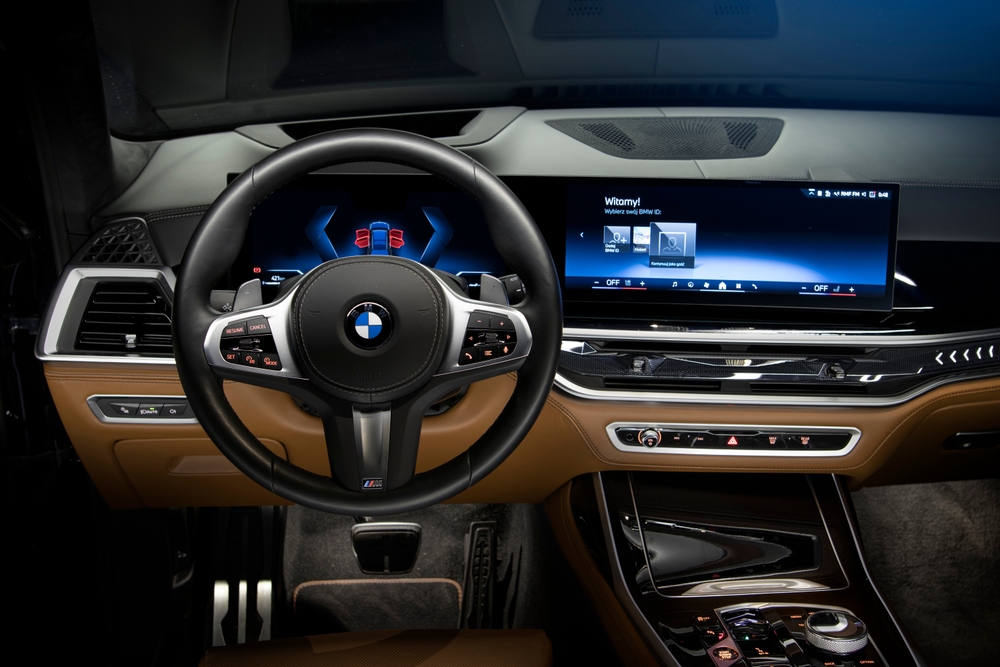
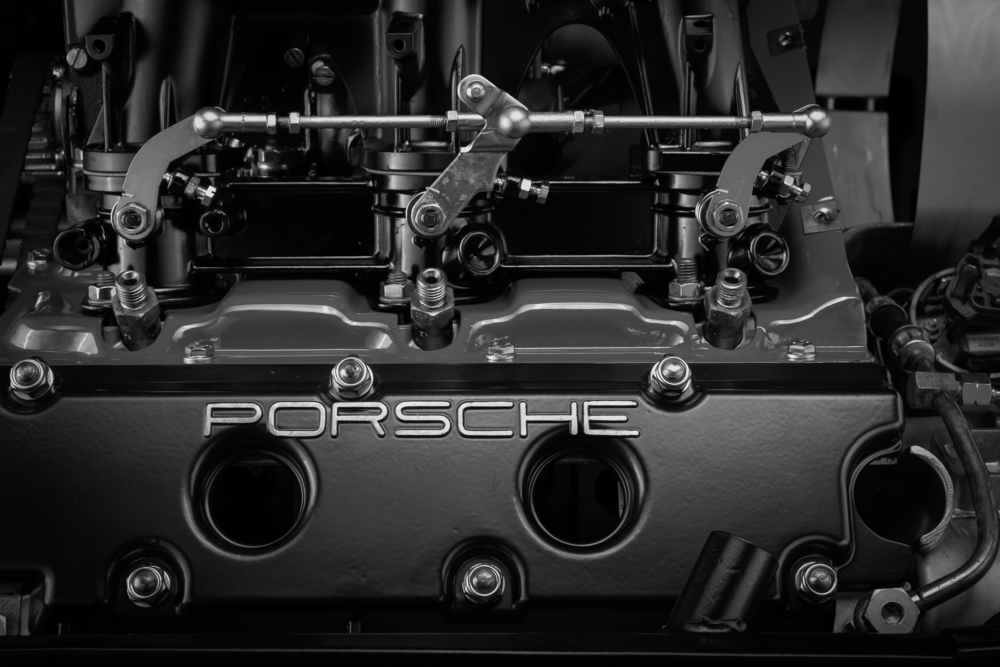
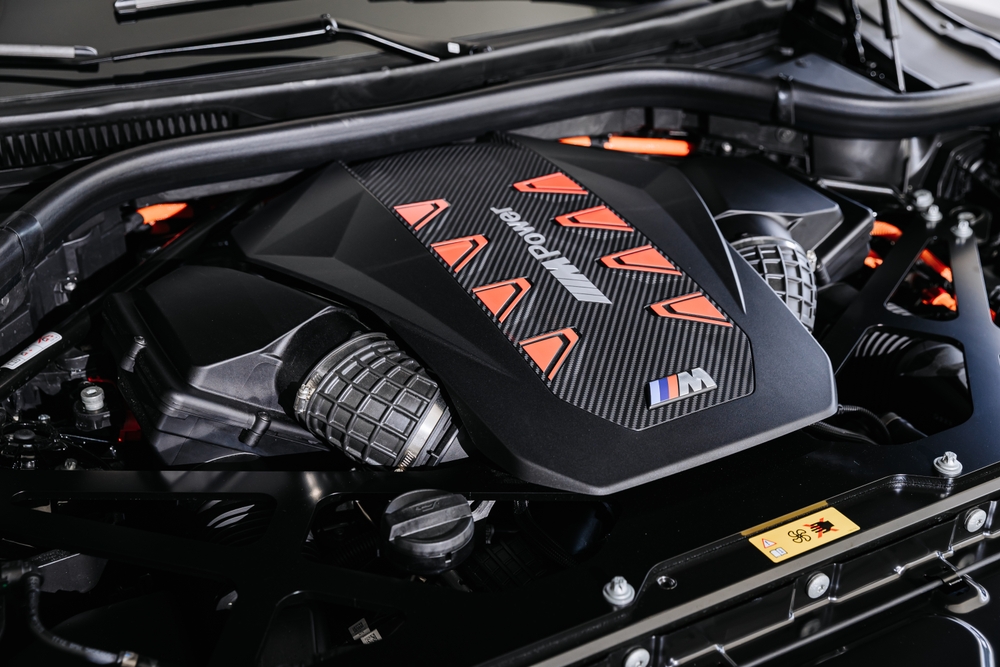
German cars have long stood out as paragons of precision engineering, performance, and luxury. Brands like BMW, Mercedes-Benz, Audi, Porsche, and Volkswagen have established a global reputation for excellence, dominating both the autobahn and the hearts of enthusiasts. However, with that reputation comes complexity. Owners of these vehicles quickly learn that maintaining German autos requires more than a quick visit to the nearest garage. Especially in a growing and competitive city like Fort Worth, seeking a qualified German car specialist is not just a luxury; it is a necessity.
Engineering Excellence Sets German Cars Apart
The defining feature of German automobiles is the engineering philosophy that goes into every detail. Whether it is the symmetrical suspension of an Audi or the turbocharged efficiency of a BMW inline-six engine, each component is meticulously crafted for a balance of power, reliability, and driver engagement. Unlike many mass-market vehicles, German autos are designed with performance metrics at the forefront, often blending track-level capabilities with everyday practicality.
This level of engineering introduces unique challenges when it comes to repair and maintenance. German vehicles often include proprietary systems, cutting-edge diagnostics, and compact engine bays with tightly packed components. For instance, the electrical systems in Mercedes-Benz vehicles use multiplex wiring, making basic electrical diagnostics more sophisticated. Similarly, Volkswagen’s DSG transmissions require specialized service knowledge and specific tools to ensure proper function.
Because of these intricacies, many general automotive shops struggle to properly diagnose and repair German vehicles. Without access to manufacturer-specific diagnostic equipment and training, even well-intentioned repairs can lead to bigger problems down the line. This is why seeking professional German auto repair in Fort Worth is so critical to maintaining vehicle performance and longevity.
The Importance of Specialized Equipment and Training
European auto repair in Fort Worth, TX, demands tools and technology that are often not found in traditional repair shops. German vehicles utilize systems such as OBD-II in different configurations, and many models require manufacturer-grade software to interface with the ECU. While universal code readers can provide surface-level diagnostics, they often miss brand-specific fault codes, leading to incomplete or inaccurate assessments.
German car specialists in Fort Worth invest in advanced tools like Autologic, ISTA (for BMW), or VCDS (for VW and Audi), which allow technicians to read precise fault codes, perform coding changes, and complete software updates. These platforms replicate the functionality of dealership equipment, ensuring a higher standard of repair and maintenance.
Beyond the tools, expertise matters just as much. German auto repair requires not only technical knowledge but also a deep understanding of model-specific quirks and service schedules. A qualified German car specialist will know that a BMW’s cooling system needs preventative attention well before the 100,000-mile mark or that a Porsche’s ceramic brakes require specific handling procedures.
In Fort Worth, where the hot climate can accelerate wear and tear, understanding these subtle service requirements can be the difference between a well-maintained European vehicle and one riddled with costly surprises.
Why Fort Worth Drivers Need Specialized German Auto Repair
The automotive service industry in Fort Worth is diverse, with many shops offering general repairs. However, few truly specialize in European vehicles. For German car owners, this gap in expertise can result in frequent misdiagnoses, longer repair times, and higher costs. It is not uncommon for a general mechanic to miss the root cause of a check engine light or misinterpret a transmission fault code on an Audi or BMW.
A specialist, on the other hand, brings a focused lens to the table. They often have years of hands-on experience working exclusively with German makes and models. This translates into faster, more accurate repairs and a deeper commitment to preserving the original performance standards of the vehicle.
Fort Worth drivers also benefit from working with local German auto repair shops that understand regional driving conditions. From the impact of extreme Texas heat on engine cooling systems to the effect of urban stop-and-go traffic on turbochargers and emissions systems, a local European auto repair expert is better equipped to anticipate and prevent common issues.
Moreover, because German cars are often driven for their performance capabilities, maintenance is not just about keeping the car running; it is about preserving the driving experience. That means ensuring that the steering remains sharp, the suspension responds appropriately, and the engine delivers smooth power across the rev range. A generalist may keep your car moving, but a specialist keeps it performing at its best.
Benefits of Building a Long-Term Relationship with a German Car Specialist
One of the most underrated benefits of choosing a dedicated German auto repair provider in Fort Worth is the long-term value that relationship brings. When a technician becomes familiar with your specific vehicle, its history, service pattern, and quirks, they can provide proactive recommendations that prevent expensive repairs down the road.
These technicians can help you navigate factory service intervals, provide insight into common model-specific failures, and recommend high-quality aftermarket alternatives when appropriate. For example, a specialist may suggest replacing OEM plastic coolant flanges with upgraded aluminum versions to avoid recurring leaks. Or they might guide you through performance upgrades that are safe, reliable, and tailored to your goals.
Building trust with a reliable shop also offers peace of mind. German car ownership can be intimidating due to higher service costs and complex systems. Having a go-to European auto repair provider ensures you have someone in your corner who understands your car as well as you do.
In Fort Worth’s expanding metropolitan landscape, where more residents are investing in luxury and performance vehicles, the demand for high-quality, specialized auto service is rising. Partnering with a knowledgeable and experienced German car specialist means you will not have to sacrifice quality or convenience.
What to Look for in a German Auto Repair Shop in Fort Worth
When choosing a shop for your German vehicle, not all mechanics are created equal. Look for certifications such as ASE or brand-specific training credentials. Ask about their experience with your make and model, and whether they use OEM parts or high-quality equivalents.
A professional shop should have access to up-to-date diagnostic tools and maintain clean, organized service bays. Transparent pricing, thorough inspections, and clear communication are also hallmarks of a trustworthy German car specialist in Fort Worth.
Reviews and word-of-mouth recommendations are especially valuable in this niche. Many of the best European auto repair providers in Fort Worth, TX, have built their reputations over years of consistent service and customer satisfaction. Ask other German vehicle owners where they go, and you are likely to hear a few names more than once.
Ultimately, your car is an investment. Treating it with the care it deserves means seeking out expertise that matches the precision and quality of the engineering behind it.
Conclusion
German cars are exceptional machines, crafted with a level of detail that sets them apart from the competition. Their performance, luxury, and technology make them a joy to own, but they also require a different approach to maintenance and repair. In Fort Worth, trusting your vehicle to a qualified German auto repair shop is essential to preserving its value and performance.
Whether you drive a Mercedes for the comfort, a BMW for the handling, or an Audi for the technology, working with a German car specialist in Fort Worth ensures that your vehicle gets the attention it needs. European auto repair in Fort Worth, TX, is not a service you want to leave to chance. With the right technician, you can enjoy the full potential of your car for years to come, no matter where the Texas roads take you.
Need Auto Repair Services in Fort Worth, TX?
Since 1980, Tim’s German Auto in Fort Worth, Texas, has provided superior German automotive service. Our specialty is servicing VW, Audi, Mercedes Benz, BMW, and Mini Cooper vehicles. The local clientele has come to know the homestyle attitude they receive when they bring their vehicles to us for repair. We strive to make your auto service visit as smooth as possible. Contact us today and join our family of loyal foreign auto repair customers to see the difference in our unparalleled service!
Fort Worth has always been a city that values individuality, performance, and refinement. This is especially evident on the roads, where luxury car drivers often lean toward German engineering as their standard of choice. From Audi’s precision design to BMW’s dynamic performance, Mercedes-Benz’s blend of tradition and innovation, and Porsche’s unmistakable passion for driving, Fort Worth drivers have found lasting reasons to invest in these iconic brands. In this article, we will explore why luxury car drivers in Fort Worth consistently choose German engineering when it comes to their next vehicle.
The Legacy of German Engineering in Fort Worth
German engineering has long been associated with craftsmanship, innovation, and performance. Fort Worth luxury car drivers often gravitate to brands like Audi, BMW, Mercedes-Benz, and Porsche because these automakers embody the qualities that align with their lifestyles. German engineering represents attention to detail, safety, and durability, making these cars more than just vehicles but experiences tailored to their owners.
In Fort Worth, where luxury meets practicality, drivers value vehicles that can handle both the open highways of Texas and the city’s urban lifestyle. German automakers deliver a balance of reliability and sophistication that appeals to those who want their car to reflect both their personal taste and their expectations for performance. Luxury car drivers in Fort Worth see German engineering as an investment in long-term satisfaction, from advanced technology to finely tuned mechanics.
Audi in Fort Worth: Precision Meets Progress
Audi has become a household name among Fort Worth drivers who crave elegance without compromising on innovation. Known for its signature quattro all-wheel-drive system, Audi brings confidence to drivers who encounter varying Texas road conditions, from sudden rainstorms to long summer drives. Audi in Fort Worth represents more than just mobility; it reflects precision in design and progress in technology.
Luxury car drivers appreciate Audi for its understated elegance combined with cutting-edge features. Models such as the Audi A4 and Q7 showcase a perfect balance of performance, safety, and advanced infotainment systems. Fort Worth drivers enjoy Audi’s intuitive MMI system, its efficient engines, and the seamless integration of driver-assist technologies. German engineering in Audi vehicles ensures that every aspect, from interior comfort to exterior design, reflects modern sophistication tailored for today’s driver.
Audi, Fort Worth enthusiasts also note the brand’s commitment to sustainability. With an increasing lineup of electric and hybrid models, Audi continues to innovate while remaining true to its engineering heritage. For drivers in Fort Worth who want to stay ahead of the curve, Audi represents progress without compromise.
BMW in Fort Worth: The Ultimate Driving Experience
BMW has earned its reputation as the “Ultimate Driving Machine,” and in Fort Worth, this slogan resonates strongly. BMW in Fort Worth attracts drivers who value performance at its core. German engineering ensures that every BMW, from the sporty 3 Series to the powerful X5 SUV, delivers a dynamic driving experience that blends agility with precision.
Luxury car drivers often describe BMW vehicles as thrilling to drive, with a perfect harmony between comfort and sportiness. The brand’s engineering focuses on balanced weight distribution, responsive handling, and engines that produce exhilarating power. For Fort Worth’s open highways and winding roads, BMW offers a sense of control and confidence unmatched by many competitors.
BMW, Fort Worth drivers also appreciate the advanced technology integrated into the brand’s lineup. From the iDrive infotainment system to driver-assist features, BMW continues to blend innovation with tradition. The introduction of hybrid and electric models such as the i4 and iX also reflects BMW’s dedication to sustainability without sacrificing performance. For drivers in Fort Worth, BMW represents a statement of passion for driving as much as a reflection of personal achievement.
Mercedes-Benz in Fort Worth: Tradition, Luxury, and Innovation
Mercedes-Benz has long been the benchmark of luxury, and Fort Worth is no exception. Mercedes-Benz in Fort Worth appeals to those who seek the perfect blend of comfort, tradition, and innovation. German engineering ensures that each vehicle reflects the brand’s legacy of craftsmanship while integrating cutting-edge technology to meet modern demands.
Fort Worth drivers are drawn to Mercedes-Benz vehicles for their elegance, from the sleek C-Class to the commanding GLE SUV. The interiors are designed with meticulous detail, offering an atmosphere of refinement that transforms every drive into an experience. Features such as the MBUX infotainment system, adaptive suspension, and advanced safety technologies showcase the brand’s commitment to innovation while honoring its heritage.
Luxury car drivers in Fort Worth appreciate that Mercedes-Benz does not compromise. Whether it is performance, design, or safety, the brand represents the pinnacle of what German engineering has to offer. For many, driving a Mercedes-Benz is not just about transportation but about experiencing a lifestyle that reflects success, comfort, and reliability. This deep connection makes Mercedes-Benz a natural choice for Fort Worth’s luxury car drivers who want a vehicle that represents both tradition and modernity.
Porsche in Fort Worth: Passion for Performance
When it comes to blending passion with engineering, Porsche stands at the forefront. In Fort Worth, Porsche has developed a strong following among drivers who prioritize performance, individuality, and iconic design. From the legendary 911 to the versatile Cayenne SUV, Porsche vehicles are admired for their ability to deliver excitement on every drive.
German engineering in Porsche vehicles is all about precision and passion. The brand’s sports cars are engineered to provide exhilarating speed, agility, and handling while maintaining comfort and practicality for daily use. Fort Worth drivers who choose Porsche value the unique driving experience that sets the brand apart from other luxury automakers.
Porsche, Fort Worth enthusiasts also appreciate the brand’s dedication to innovation. With models like the all-electric Taycan, Porsche demonstrates that it can honor its racing heritage while pushing forward into the future of mobility. This combination of tradition and progress appeals to Fort Worth drivers who want a vehicle that reflects both their passion for driving and their vision for the future.
Why Fort Worth Luxury Car Drivers Trust German Engineering
Fort Worth drivers choose German engineering because it represents more than just reliability or luxury. It reflects a heritage of innovation, craftsmanship, and passion for performance. Audi offers precision and progress that appeal to those seeking modern sophistication. BMW delivers the thrill of the ultimate driving experience. Mercedes-Benz embodies tradition blended seamlessly with innovation. Porsche stands as a symbol of passion and individuality, bringing unmatched excitement to the roads of Fort Worth.
For luxury car drivers, these German brands offer vehicles that are not only transportation but also reflections of personal identity, success, and aspirations. Fort Worth drivers recognize that when they choose Audi, BMW, Mercedes-Benz, or Porsche, they are investing in a legacy of excellence that will continue to deliver for years to come. German engineering has set the standard, and Fort Worth continues to embrace it as the choice for discerning luxury car drivers.
Need Auto Repair Services in Fort Worth, TX?
Since 1980, Tim’s German Auto in Fort Worth, Texas, has provided superior German automotive service. Our specialty is servicing VW, Audi, Mercedes Benz, BMW, and Mini Cooper vehicles. The local clientele has come to know the homestyle attitude they receive when they bring their vehicles to us for repair. We strive to make your auto service visit as smooth as possible. Contact us today and join our family of loyal foreign auto repair customers to see the difference in our unparalleled service!
German automotive engineering has long been synonymous with precision, innovation, and advanced technology. When it comes to electrical systems, German manufacturers such as BMW, Mercedes-Benz, Audi, and Volkswagen have led the industry with groundbreaking developments. Their approach to automotive electrical systems is rooted in a commitment to performance, efficiency, and luxury, often incorporating cutting-edge electronics years before they become industry standards. This dedication to innovation contrasts with the approaches seen in American, Japanese, and other European brands, each of which has its own unique philosophy regarding electrical design. The result is a stark difference in complexity, repair costs, reliability, and even user experience.
The electrical systems in German cars have evolved significantly, particularly over the past few decades. German manufacturers were among the first to integrate extensive computerization in vehicles, leading to more sophisticated onboard diagnostics, advanced driver-assistance systems (ADAS), and electronic control units (ECUs). This has allowed for a seamless driving experience, enhancing comfort, safety, and performance. However, these advancements also bring about unique challenges, especially in terms of repairability and maintenance costs, which differ greatly from other brands that prioritize simplicity and cost-efficiency.
Complex Engineering and Integration
One of the most distinguishing characteristics of German automotive electrical systems is their intricate engineering and integration. German automakers prioritize a holistic approach to vehicle design, ensuring that every component works in tandem with others. This philosophy extends to electrical components, where manufacturers like BMW and Mercedes-Benz employ complex electronic architectures that communicate through a network of interconnected ECUs.
Unlike many American or Japanese cars, which use simpler wiring harnesses and more traditional electronic layouts, German vehicles rely heavily on sophisticated communication protocols such as the Controller Area Network (CAN) bus. This system allows different parts of the car to share information in real time, improving efficiency and functionality. For instance, in a high-end German luxury sedan, the headlights, adaptive cruise control, and stability control system all communicate seamlessly, ensuring optimal performance without driver intervention.
However, this complexity comes at a cost. With numerous interconnected components, diagnosing electrical issues can be challenging and often requires specialized diagnostic tools. Unlike many non-German brands, where a simple OBD-II scanner can reveal most fault codes, German cars typically necessitate brand-specific diagnostic software such as VCDS for Volkswagen and Audi or ISTA for BMW. This specialized approach makes troubleshooting more difficult for general mechanics and often requires visits to dealership service centers, which can be costly.
Reliability and Maintenance Considerations
When discussing German automotive electrical systems, reliability is a topic that often sparks debate. German brands are known for their meticulous engineering, but this does not always translate to long-term durability. While German cars tend to offer superior performance and luxury features, their complex electrical systems can sometimes lead to higher failure rates compared to more straightforward designs found in Japanese and American vehicles.
Japanese automakers, for example, are renowned for their emphasis on reliability and longevity. Brands like Toyota and Honda prioritize simplicity in electrical engineering, often using time-tested components that are easy to diagnose and replace. This approach results in fewer electrical failures and lower long-term maintenance costs. In contrast, German vehicles often incorporate cutting-edge technology that, while impressive, can be prone to failure if not properly maintained.
Another key factor influencing reliability is the choice of materials and manufacturing processes. German automakers frequently use high-quality components, but some electrical parts, such as sensors, wiring harnesses, and control modules, have been known to fail prematurely. These failures are exacerbated by the high temperatures and vibrations within the engine bay, leading to costly repairs. Additionally, because German cars rely heavily on electronic integration, a single failed sensor can sometimes lead to multiple system errors, making diagnostics and repairs more complicated.
Performance and Technological Advancements
While reliability may sometimes be a concern, German electrical systems shine when it comes to performance and technological advancements. German car manufacturers consistently push the boundaries of automotive technology, leading the industry in innovation. Many of the features that are now considered standard in modern vehicles were first introduced by German automakers, including advanced traction control systems, adaptive suspension, and high-end infotainment systems.
Take, for example, the introduction of sophisticated electronic stability control (ESC) systems. Mercedes-Benz pioneered this technology, which has since become a crucial safety feature in all modern cars. BMW’s iDrive system revolutionized in-car infotainment by introducing a centralized control interface that integrates navigation, media, and vehicle settings. Audi, on the other hand, has been at the forefront of LED and laser lighting technology, pushing the boundaries of visibility and efficiency.
Moreover, German manufacturers have embraced electrification and hybrid technology with remarkable engineering prowess. The likes of Porsche, BMW, and Mercedes-Benz have developed high-performance plug-in hybrids and fully electric vehicles that combine luxury with sustainability. These cars incorporate some of the most advanced battery management systems and regenerative braking technologies available, setting them apart from competitors who may prioritize affordability over cutting-edge innovation.
Cost Implications and Ownership Experience
For consumers considering a German car, the cost implications of their advanced electrical systems cannot be overlooked. While these vehicles offer superior performance, luxury, and technological advancements, they often come with higher ownership costs due to maintenance, repairs, and part replacements. German automakers design their cars with a focus on engineering excellence, sometimes at the expense of repairability and affordability.
A key factor in the cost of ownership is the need for specialized diagnostic tools and expertise. Independent repair shops often struggle to work on German vehicles without access to proprietary software, leading many owners to rely on dealerships for service. Labor costs for German cars are typically higher than for American or Japanese brands, as specialized knowledge is required to diagnose and repair intricate electrical systems. Additionally, parts for German vehicles are often more expensive due to their high-quality materials and precise manufacturing standards.
On the other hand, the premium ownership experience offered by German vehicles justifies these costs for many drivers. The luxurious interior technology, seamless driving dynamics, and cutting-edge safety features make German cars highly desirable. The feeling of driving a well-engineered German car, with its smooth handling and intuitive electronic interfaces, is unmatched by many competitors.
For those who value reliability and affordability over high-end technology, brands like Toyota, Honda, and Ford may be more appealing. These manufacturers prioritize user-friendly electrical systems that are easier and cheaper to maintain. However, for drivers who appreciate advanced automotive technology and are willing to invest in upkeep, German cars provide an unparalleled experience.
Conclusion
The differences in electrical systems between German cars and other brands stem from their unique engineering philosophies. German automakers focus on precision, innovation, and integration, leading to complex yet highly advanced electrical architectures. While this results in superior performance and cutting-edge features, it also comes with higher maintenance costs and potential reliability concerns. Other brands, particularly Japanese manufacturers, prioritize simplicity and longevity, resulting in more user-friendly and cost-effective vehicles.
Ultimately, choosing between a German car and another brand depends on individual preferences and priorities. If technology, luxury, and performance are paramount, a German vehicle may be the ideal choice. However, for those seeking affordability, reliability, and ease of maintenance, non-German brands may offer a more practical solution. Understanding these differences allows consumers to make informed decisions based on their driving needs and long-term expectations.
Need Auto Repair Services in Fort Worth, TX?
Since 1980, Tim’s German Auto in Fort Worth, Texas, has provided superior German automotive service. Our specialty is servicing VW, Audi, Mercedes Benz, BMW, and Mini Cooper vehicles. The local clientele has come to know the homestyle attitude they receive when they bring their vehicles to us for repair. We strive to make your auto service visit as smooth as possible. Contact us today and join our family of loyal foreign auto repair customers to see the difference in our unparalleled service!
Winter in Fort Worth can bring chilly temperatures, icy roads, and unpredictable weather conditions. For owners of German vehicles, known for their precision engineering and performance, taking the necessary steps to winterize your car is essential to ensure it remains reliable and safe throughout the colder months. Whether you drive a Volkswagen, Audi, Mercedes-Benz, BMW, or Mini Cooper, here are comprehensive tips to help you prepare your German vehicle for Fort Worth winters.
Why Winterizing Your German Vehicle is Essential
German vehicles are renowned for their superior engineering, advanced technology, and performance capabilities. However, these features can be sensitive to harsh winter conditions. Winterizing your vehicle not only protects your investment but also ensures optimal performance and safety. Cold temperatures can affect battery life, tire performance, and fluid viscosity, while icy roads increase the risk of accidents. Proper winterization helps mitigate these issues, keeping your vehicle running smoothly and reducing the likelihood of costly repairs.
Preparing Your German Vehicle for Fort Worth Winters
Preparing your vehicle for winter involves several key maintenance tasks. Addressing these areas will help your German car withstand the cold, maintain performance, and ensure safety on the road.
Battery Maintenance
Cold weather can significantly reduce your vehicle’s battery efficiency. German cars, with their sophisticated electronics, rely heavily on a healthy battery. Start by having your battery tested to ensure it holds a proper charge. Clean any corrosion from the battery terminals and secure the battery firmly to prevent vibrations that can damage it. If your battery is older, consider replacing it before winter sets in to avoid unexpected failures.
Tire Care and Selection
Tires are crucial for maintaining traction and handling in winter conditions. Inspect your tires for wear and ensure they have adequate tread depth. Consider switching to winter tires, which are specifically designed to perform better in cold temperatures, snow, and ice. Additionally, check tire pressure regularly, as it can decrease in colder weather, affecting handling and fuel efficiency.
Fluid Checks and Changes
Cold temperatures can thicken engine oil, making it harder for your engine to start and run smoothly. Consult your vehicle’s manual for the recommended oil type for winter and consider switching to a lower viscosity oil if appropriate. Also, ensure that your antifreeze levels are adequate to prevent the engine from freezing. Check and top up other fluids such as windshield washer fluid with a winter formula to avoid freezing.
Protecting Your German Vehicle’s Exterior
Maintaining the exterior of your vehicle is crucial during winter to prevent damage from snow, ice, and road salt. Proper care helps preserve your car’s finish and ensures visibility and safety.
Waxing and Paint Protection
A good wax job provides a protective barrier against moisture, salt, and road debris. Apply a high-quality wax before winter arrives to help protect your vehicle’s paint from the harsh elements. Regularly washing your car, especially the undercarriage, will remove salt and prevent corrosion, which is particularly important for German cars with intricate bodywork.
Windshield Care
A clear windshield is essential for safe driving in winter. Ensure your windshield wipers are in good condition and replace them if they show signs of wear. Consider investing in winter wiper blades designed to handle ice and snow. Keep your windshield washer reservoir filled with a winter-grade fluid that won’t freeze, and regularly clean your windshield to remove any buildup that can impair visibility.
Ensuring Optimal Performance
German vehicles are engineered for high performance, but winter conditions can put additional strain on various systems. Ensuring that these systems are in top condition will help maintain your vehicle’s performance and reliability.
Heating System Check
A properly functioning heating system is crucial for comfort and safety during winter. Have your heating and defrosting systems inspected to ensure they are working efficiently. Replace any faulty components and ensure that the climate control system is operating correctly to keep the cabin warm and the windshield clear.
Engine Warm-Up
Allowing your engine to warm up before driving can help prevent wear and tear. Start your vehicle a few minutes before you plan to drive, giving the engine time to reach optimal operating temperature. This practice helps ensure that the oil circulates properly and that all components are functioning smoothly.
Choosing the Right Service and Repair Options
When winterizing your German vehicle, it’s important to choose the right service and repair options to maintain its specialized systems and components. Professional service centers with expertise in German cars can provide the necessary care and attention your vehicle requires.
VW Service and Repair
Volkswagen owners should seek out specialized VW Service and repair centers that understand the unique needs of these vehicles. Regular maintenance, including engine checks, brake inspections, and software updates, ensures your VW performs reliably during winter.
Audi Service and Repair
Audi vehicles are known for their luxury and advanced technology. Audi Service and repair centers offer comprehensive maintenance services, from routine oil changes to intricate electrical system diagnostics, ensuring your Audi remains in peak condition throughout the winter months.
Mercedes-Benz Service and Repair
Mercedes-Benz cars require meticulous care to maintain their performance and luxury features. Mercedes-Benz Service and repair facilities provide expert services, including suspension checks, climate control maintenance, and high-performance part replacements, tailored to the specific needs of your vehicle.
BMW Service and Repair
BMW owners can benefit from specialized BMW Service and repair centers that offer precise maintenance and repairs. From engine performance tuning to electrical system maintenance, these centers ensure your BMW operates smoothly and efficiently, even in the harshest winter conditions.
Mini Cooper Service and Repair
Mini Cooper vehicles, known for their compact size and sporty performance, also require specialized care. Mini Cooper Service and repair shops provide targeted maintenance services, including brake system checks, coolant level maintenance, and electrical system diagnostics, to keep your Mini running reliably during winter.
Additional Winterizing Tips
Beyond the essential maintenance tasks, there are additional steps you can take to further protect your German vehicle and ensure your safety during the winter months.
Emergency Kit Preparation
Prepare an emergency kit for your vehicle that includes items such as a flashlight, blankets, a first-aid kit, jumper cables, a portable phone charger, and basic tools. Including items like ice scrapers, a shovel, and sand or kitty litter can help you handle unexpected situations like getting stuck in snow or ice.
Safe Driving Practices
Adopt safe driving practices tailored to winter conditions. Drive slower, maintain a greater distance between vehicles, and use gentle braking and acceleration to prevent skidding. Familiarize yourself with your vehicle’s handling characteristics in slippery conditions and adjust your driving accordingly to ensure safety for yourself and others on the road.
Conclusion
Winterizing your German vehicle in Fort Worth is essential to maintain its performance, safety, and longevity during the colder months. By following these comprehensive tips, from regular maintenance and fluid checks to protecting the exterior and ensuring optimal performance, you can keep your Volkswagen, Audi, Mercedes-Benz, BMW, or Mini Cooper running smoothly despite the winter challenges. Additionally, choosing specialized service and repair centers ensures that your German vehicle receives the expert care it deserves. Prepare your car for winter today, and enjoy peace of mind knowing your vehicle is ready to face Fort Worth’s winter weather with confidence.
Need Auto Repair Services in Fort Worth, TX?
Since 1980, Tim’s German Auto in Fort Worth, Texas, has provided superior German automotive service. Our specialty is servicing VW, Audi, Mercedes Benz, BMW, and Mini Cooper vehicles. The local clientele has come to know the homestyle attitude they receive when they bring their vehicles to us for repair. We strive to make your auto service visit as smooth as possible. Contact us today and join our family of loyal foreign auto repair customers to see the difference in our unparalleled service!
BMW is one of the most iconic car brands in the world, known for its commitment to luxury, performance, and innovation. From the legendary “Ultimate Driving Machine” slogan to their groundbreaking electric vehicles, BMW has a storied history filled with fascinating tidbits that car enthusiasts love. In this blog, we’ll explore 10 interesting facts about BMWs that will deepen your appreciation for this German automotive giant. Whether you’re a longtime fan or just curious about the brand, these BMW facts will take you through the rich legacy of one of the world’s most beloved car manufacturers.
1. BMW Didn’t Start as a Car Company
While today BMW is synonymous with luxury automobiles, the company didn’t begin by making cars. In fact, BMW, which stands for Bayerische Motoren Werke AG, started as an aircraft engine manufacturer. Founded in 1916, BMW initially built engines for the aircraft used in World War I. After the war, the Treaty of Versailles banned Germany from manufacturing aircraft engines, so BMW pivoted to motorcycles and, eventually, cars. Their transition from aircraft engines to motorcycles and later automobiles shows the adaptability that has defined the brand for over a century.
Fun Fact: The BMW logo represents a rotating aircraft propeller, paying homage to the company’s origins in aviation.
2. The BMW 3 Series is a Global Bestseller
When people think of BMW, the first model that often comes to mind is the BMW 3 Series. Introduced in 1975, the 3 Series is one of the best-selling BMW models of all time and has consistently been a benchmark in the luxury compact sedan market. The 3 Series is renowned for its dynamic handling, powerful engines, and refined interiors, making it a favorite among driving enthusiasts. Its popularity has spanned generations, with over 15 million units sold worldwide.
Fun Fact: The 3 Series accounts for around 30% of BMW’s annual sales, making it the brand’s most important model.
3. BMW Has a History in Formula 1 Racing
BMW is not just about luxury and comfort; it has also made a name for itself in the world of motorsports, particularly in Formula 1. The company first entered Formula 1 as an engine supplier in the early 1980s, powering Brabham and later Williams to numerous victories. In 1983, BMW achieved its first and only Formula 1 World Championship as an engine supplier with Nelson Piquet driving for Brabham. BMW returned to the sport in the early 2000s, running their own team before exiting Formula 1 in 2009. The brand’s involvement in racing underscores its commitment to performance and engineering excellence.
Fun Fact: BMW’s turbocharged engines in the 1980s were so powerful that they earned a reputation for delivering over 1,000 horsepower in qualifying trim.
4. BMW Owns Rolls-Royce and MINI
BMW isn’t just focused on its own brand. The company also owns two other iconic British brands: Rolls-Royce and MINI. In 1994, BMW purchased the rights to the MINI brand as part of its acquisition of the Rover Group, and in 2003, BMW acquired the rights to Rolls-Royce Motor Cars. Today, BMW is responsible for the design, manufacturing, and distribution of both brands. MINI is known for its fun, compact cars, while Rolls-Royce is synonymous with ultimate luxury. BMW’s stewardship of these brands has helped them thrive in their respective markets.
Fun Fact: Rolls-Royce models like the Phantom and Ghost are powered by BMW engines, blending British elegance with German engineering.
5. BMW’s M Division is Legendary
If you’re a fan of high-performance cars, you’ve probably heard of BMW’s M Division. Established in 1972, BMW M GmbH was originally created to support the company’s racing program, but it soon began developing high-performance versions of standard BMW models. The first BMW M car for the public was the M1, a mid-engine supercar that debuted in 1978. Today, the M badge is synonymous with peak performance and is featured on a range of models, from the M3 and M5 to the X5 M and X6 M. The division’s cars are known for their aggressive styling, powerful engines, and race-inspired technology.
Fun Fact: The BMW M5 was the world’s fastest production sedan when it was first introduced in 1985, capable of reaching speeds over 150 mph.
6. BMW Pioneered Electric and Hybrid Vehicles
BMW has been at the forefront of the shift toward electric and hybrid vehicles. The company’s BMW i sub-brand was launched in 2011, focusing on sustainable mobility. The BMW i3, released in 2013, was one of the first all-electric vehicles from a major automaker, and it featured an innovative carbon-fiber-reinforced plastic body. The i8, a plug-in hybrid sports car, combined futuristic design with cutting-edge technology. Today, BMW continues to expand its electric vehicle lineup, with models like the iX3, i4, and iX leading the charge toward a more sustainable future.
Fun Fact: The BMW i3 was one of the world’s best-selling electric cars shortly after its launch, thanks to its unique design and advanced technology.
7. BMW Headquarters is Designed Like a Four-Cylinder Engine
BMW’s dedication to engineering is reflected not only in its cars but also in its headquarters. The company’s global headquarters in Munich, Germany, is famously designed to resemble a four-cylinder engine, symbolizing BMW’s legacy of producing high-performance engines. The building, known as the “Four-Cylinder” or “Vierzylinder,” was completed in 1972 and stands as an architectural icon in the automotive world. Adjacent to the headquarters is the BMW Museum, which showcases the company’s rich history and innovations.
Fun Fact: The BMW Museum features a spiral-shaped design, guiding visitors through the history of BMW in a unique and engaging way.
8. BMW’s Slogan: The Ultimate Driving Machine
One of the most famous advertising slogans in automotive history is BMW’s tagline: “The Ultimate Driving Machine.” First introduced in the United States in 1974, this slogan encapsulates the brand’s focus on delivering cars that offer an unmatched driving experience. BMW emphasizes driving dynamics, handling precision, and driver engagement in every model, from the compact 1 Series to the flagship 7 Series. This slogan has become synonymous with the brand’s identity and is recognized around the globe.
Fun Fact: The Ultimate Driving Machine slogan was created by the advertising agency Ammirati & Puris and is considered one of the most effective car slogans of all time.
9. BMW Was Involved in Building the World’s First Jet-Powered Motorcycle
In 1935, BMW developed the BMW R12, which became one of the most widely used motorcycles in the German military during World War II. While the R12 was known for its durability, BMW also experimented with more radical designs. In 1945, BMW engineers created the world’s first jet-powered motorcycle, called the BMW R75, which was used for military purposes. While it never reached mass production, this motorcycle demonstrated BMW’s willingness to push the boundaries of technology and innovation.
Fun Fact: The R75 featured a sidecar and was designed to handle rough terrain, making it ideal for military use during the war.
10. BMW’s Art Cars are a Blend of Speed and Creativity
Since 1975, BMW has collaborated with world-renowned artists to create the BMW Art Cars, a series of one-of-a-kind vehicles that blend automotive design with contemporary art. The first BMW Art Car was painted by American artist Alexander Calder on a BMW 3.0 CSL that competed in the 24 Hours of Le Mans. Since then, artists such as Andy Warhol, Jeff Koons, and David Hockney have added their unique touch to BMW models. These cars have become cultural icons, merging the worlds of art and automotive engineering.
Fun Fact: Andy Warhol’s BMW M1 Art Car, painted in 1979, is one of the most famous pieces in the series and is estimated to be worth millions of dollars.
Conclusion
From their origins in aviation to their dominance in the luxury car market, BMW has a rich history full of innovation, performance, and creativity. These 10 interesting facts about BMWs offer just a glimpse into the brand’s legacy, which spans over a century. Whether you’re intrigued by their racing pedigree, cutting-edge electric vehicles, or commitment to art and design, BMW continues to be a symbol of engineering excellence and driving pleasure.
As we move forward into the future of the automotive industry, with a focus on sustainability and new technologies, BMW is well-positioned to continue leading the way. So, the next time you see a BMW on the road, remember that there’s a lot more to this brand than meets the eye.
Need Auto Repair Services in Fort Worth, TX?
Since 1980, Tim’s German Auto in Fort Worth, Texas, has provided superior German automotive service. Our specialty is servicing VW, Audi, Mercedes Benz, BMW, and Mini Cooper vehicles. The local clientele has come to know the homestyle attitude they receive when they bring their vehicles to us for repair. We strive to make your auto service visit as smooth as possible. Contact us today and join our family of loyal foreign auto repair customers to see the difference in our unparalleled service!