Pre-Purchase Inspections for German Cars: What Fort Worth Buyers Need to Know
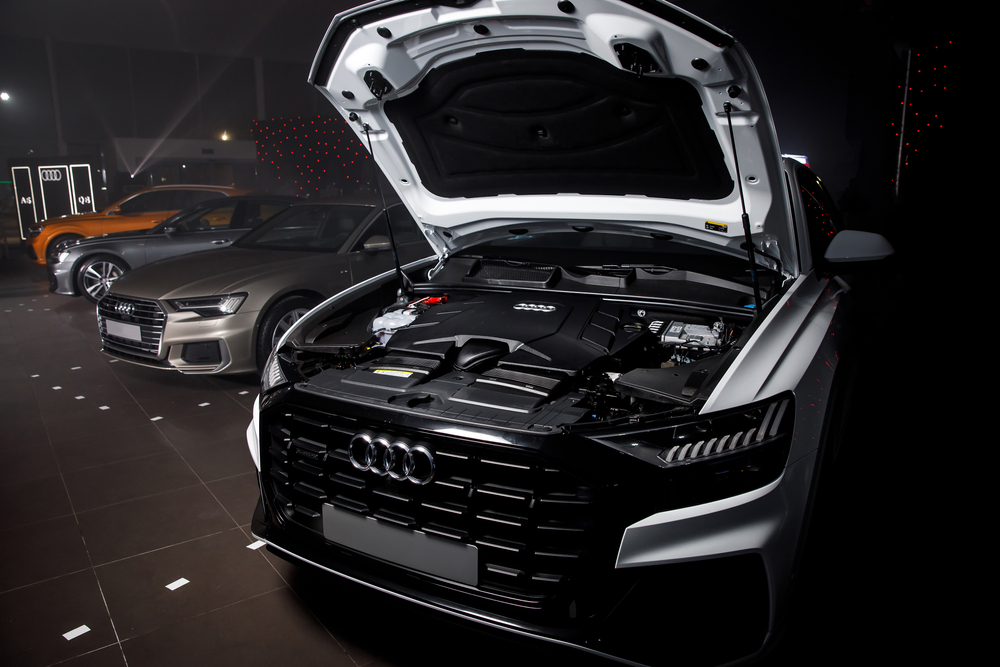
Buying a used German car in Fort Worth is an exciting prospect. Whether you have your eye on a sleek BMW 3 Series, a refined Mercedes-Benz E-Class, or a precision-engineered Audi A4, German vehicles are known for their performance, luxury, and engineering excellence. However, that same sophistication comes with a level of mechanical complexity that makes a thorough pre-purchase inspection not just helpful, but absolutely essential before you sign anything.
Fort Worth buyers shopping for used German cars face a unique set of considerations. These vehicles are built to exacting standards, but they also require specialized knowledge to evaluate properly. A general mechanic may miss critical warning signs that a German auto inspection specialist would catch immediately. Understanding what goes into a proper inspection can save you thousands of dollars and months of frustration down the road.
Why German Cars Require Specialized Inspections
Not all pre-purchase inspections are created equal. When you bring a Japanese or domestic vehicle in for an inspection, most experienced mechanics can assess it confidently. German cars, however, operate on different diagnostic platforms, use proprietary software systems, and rely on components that behave differently under wear and stress.
Take BMW, for example. A BMW pre-purchase inspection in Fort Worth should be performed by a technician who has direct experience with BMW-specific diagnostic tools such as ISTA or INPA. These systems communicate with the vehicle’s multiple control modules in ways that generic OBD-II scanners simply cannot replicate. Without accessing those modules, an inspector might completely miss stored fault codes related to the transmission, fuel injection system, or advanced driver assistance features.
Audi and Volkswagen vehicles share a platform architecture, and both rely heavily on the VCDS (VAG-COM Diagnostic System) or ODIS software for accurate diagnostics. Mercedes-Benz vehicles use the XENTRY/DAS system for the same purpose. If the shop performing your used German car inspection in Fort Worth, TX does not have access to these tools, you are not getting a complete picture of the vehicle’s health.
Beyond diagnostics, German vehicles use specific materials and engineering tolerances that require trained eyes. Carbon buildup on direct-injection engines, oil consumption patterns in certain BMW N-series motors, timing chain wear in Audi 2.0T engines, and air suspension failures in Mercedes models are all known concerns that a knowledgeable inspector will know exactly where to look for.
What a Thorough German Auto Inspection Covers
A high-quality German auto inspection goes far beyond a basic visual walkthrough. When you schedule a pre-purchase inspection for a German vehicle in Fort Worth, you should expect a comprehensive evaluation that covers multiple systems in meaningful detail.
The inspection should begin with a full computer diagnostic scan using the manufacturer-specific software mentioned above. This scan will reveal any active or stored fault codes, which can point to problems that are not yet showing symptoms. From there, the inspector should move to a physical evaluation of the engine bay, looking for signs of oil leaks, coolant leaks, cracked hoses, and worn belts. On German vehicles, even minor oil seepage can indicate the beginning of a costly gasket or seal failure.
The suspension and steering components deserve particular attention on German cars. These vehicles are often driven hard and tuned for performance, which puts additional stress on control arms, tie rods, and bushings. A test drive should be part of any legitimate inspection, and the technician should pay close attention to how the vehicle tracks, brakes, and handles at various speeds.
Transmission health is another area where a used German car inspection in Fort Worth, TX needs to go deep. Dual-clutch transmissions found in many Volkswagen and Audi models, the seven-speed DCT in many BMWs, and the seven-speed automatic in many Mercedes models each have known failure points. Fluid condition, shift quality, and module data all need to be reviewed carefully.
Finally, the brake system, including rotors, pads, and electronic parking brake actuators, should be measured and tested. German cars often use sensors and electronic components throughout the braking system, and these can be expensive to replace if they are already showing wear.
Choosing the Right Inspector in Fort Worth
Finding the right shop to perform your pre-purchase inspection in Fort Worth is critical. You want a facility that specializes in German vehicles, or at minimum has a dedicated technician with verifiable experience working on the brand you are considering. Do not be afraid to ask directly about the diagnostic tools they use and whether they have worked on similar models before.
Independent German auto specialists in the Fort Worth area are often a better choice than dealership service departments for a pre-purchase inspection. Dealerships may have a conflict of interest, especially if they are selling the vehicle. An independent specialist has no stake in whether you buy the car and will give you an honest assessment.
Ask whether the inspector will provide a written report. A quality inspection should come with detailed notes on every system evaluated, along with photographs where relevant. This documentation protects you during negotiations and gives you a clear picture of what repairs, if any, you should factor into your offer.
For a BMW pre-purchase inspection in Fort Worth specifically, look for shops that advertise BMW or European specialty services. These shops are more likely to have the factory-level diagnostic tools and the hands-on experience with common BMW failure points, including valve cover gaskets, coolant systems, and high-pressure fuel pumps on turbocharged models.
How a Pre-Purchase Inspection Protects Your Investment
German cars hold strong appeal in the used car market, and for good reason. When properly maintained, vehicles like the BMW 5 Series, Mercedes C-Class, and Audi Q5 offer an exceptional ownership experience at a fraction of their original sticker price. The challenge is that deferred maintenance and hidden repairs can turn a good deal into a financial burden very quickly.
A pre-purchase inspection gives you leverage. If the inspection reveals that the vehicle needs new front control arm bushings, a valve cover gasket replacement, or a transmission fluid service, you can use that information to negotiate a lower purchase price or ask the seller to complete the repairs before closing the deal. In many cases, the cost of the inspection pays for itself immediately through the negotiating advantage it provides.
Consider the alternative. Purchasing a used German car in Fort Worth without an inspection is essentially gambling with your money. The previous owner may have skipped scheduled maintenance, driven the vehicle aggressively, or been unaware of developing mechanical issues. You have no way of knowing any of this without a professional evaluation.
The cost of a thorough German auto inspection in Fort Worth typically ranges from $150 to $300 depending on the depth of the inspection and the shop you choose. That is a modest investment when you consider that a single major repair on a German vehicle, such as a timing chain replacement or an air suspension overhaul, can easily cost $2,000 to $5,000 or more.
Conclusion
Purchasing a used German car in Fort Worth is a decision worth making carefully. A proper pre-purchase inspection performed by a qualified specialist is the single most important step you can take before committing to any German vehicle. From diagnostic scanning to suspension evaluation, a thorough inspection gives you confidence, negotiating power, and peace of mind. Do not skip it.